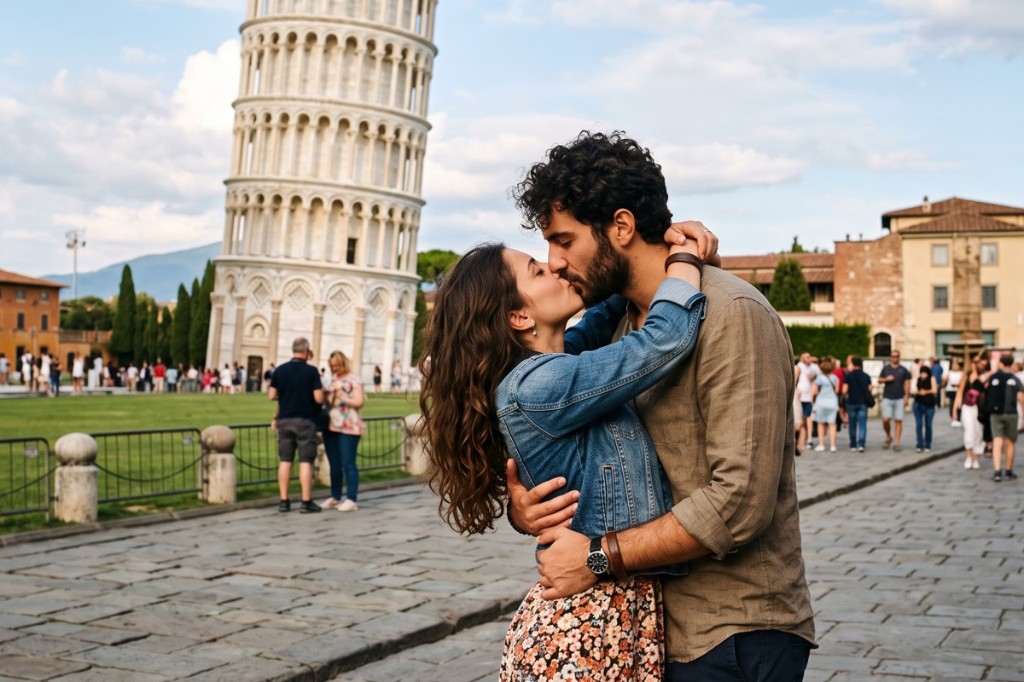
Are you learning Italian for travel, family, or a new relationship? Romantic vocabulary is one of the fastest ways to sound human in the language—not only correct on paper, but alive in conversation. Italian love words and phrases appear in opera librettos, Neapolitan songs, and the text your friend screenshots at midnight. This guide collects the expressions learners ask for most, with English meaning, phonetic pronunciation, and audio you can replay until the rhythm feels natural.
Many students know ti amo before they can order coffee, yet Italian romance runs far deeper than three syllables. The same culture that invented the sonnet also perfected pet names, dramatic declarations, and idioms about lightning striking the heart. Whether you are writing a card in Florence or whispering goodnight after video chat, choosing the right expression matters as much as grammar.
Italian distinguishes levels of affection carefully. You can love a friend with ti voglio bene, desire someone with mi piaci molto, and offer lifelong devotion with per tutta la vita. Mixing them up rarely causes offense, but hitting the right register makes you sound attentive rather than rehearsed. That nuance is why vocabulary lists alone are not enough—you need full sentences in context.
Pronunciation shapes romance. Italian vowels stay open, double consonants hold their ground, and stress often falls earlier than English speakers expect. Each entry below includes IPA-style phonetics plus a speaker button so you can hear Italian audio when your device supports text-to-speech. Repeat aloud; love vocabulary should feel physical, not silent.
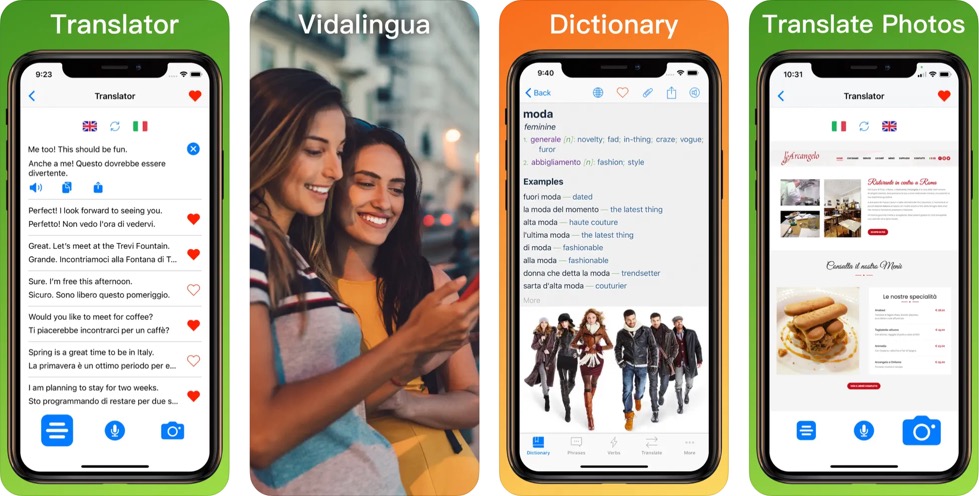
Italy itself teaches the language of devotion. Watch couples argue softly over espresso, notice how nonni still hold hands in the piazza, and listen to how singers stretch a single syllable of amore until an entire stadium sighs. Romantic Italian is not a classroom drill—it is culture you absorb street by street. Love between strangers becomes love between learners when you pay attention to how Italians actually speak. Before the list begins, download Italian Translator + for iPhone or Android by Vidalingua if you want these expressions in your pocket. Dictionaries, verb conjugations, and lesson practice help you move from recognition to confident speech. Now, turn down the lights, imagine a terrace overlooking the sea, and let these Italian love words and phrases do their work.


Below you will find Italian love words and phrases grouped by theme. Each entry includes phonetic pronunciation and a short note on when native speakers use it. Tap the speaker icon to hear Italian text when your browser supports audio. Work through one section per day if you are preparing for a trip, a date, or a conversation with Italian family. Italian love words carry history in every syllable; work through these phrases at your own pace, because love rewards patience as much as passion.
These declarations anchor romantic Italian. Practice each one slowly, then try it in a full sentence so the rhythm feels natural rather than memorized. Love in Italian sounds different when whispered than when sung—experiment with both.
/ti ˈamo/
The classic declaration of romantic love. Use it when passion runs deep and you mean commitment, not casual affection. In Italian, this line carries more weight than everyday liking, so save it for someone special. You will hear it in pop ballads, wedding speeches, and quiet moments on a balcony overlooking the sea.
/ti vɔʎˈʎo ˈbɛne/
Literally "I want good for you," this is affection without full romantic fire. Friends, family, and new partners hear it often. It is softer than ti amo and safe early in a relationship. Many Italians say it daily without drama—it signals care, loyalty, and warmth.
/aˈmore/
The noun for love itself—and a pet name partners whisper constantly. You will hear amore mio in songs, films, and late-night texts across Italy. Shouted across a crowded piazza it can sound theatrical; murmured at home it feels intimate.
/aˈmore ˈmio/
My love. One of the most common Italian endearments between couples. Tone can be tender, playful, or dramatic depending on who speaks. Parents sometimes use it with children, but between adults it almost always signals romance.
Pet names soften conversation and signal closeness. Italians switch endearments by mood—playful one evening, solemn the next. The right Italian word can defuse tension or deepen intimacy in a single breath.
/teˈzɔro/
Treasure. Italians use this term for partners and children alike. Tesoro mio sounds warm rather than formal. It appears in text messages, voice notes, and the half-joking scolding of someone you adore.
/ˈkaro/ · /ˈkara/
Dear. A flexible term of address in letters, messages, and speech. Cara addresses women; caro addresses men. Older generations open handwritten notes with it; younger couples use it ironically or sincerely on anniversaries.
/kutˈtʃɔlo/ · /kutˈtʃɔla/
Puppy—as in "my little one." Playful and affectionate, common among younger couples and in social media captions. The diminutive softens tone and adds humor without losing sincerity.
/ˈanima dʒeˈmɛlla/
Soulmate. Romantic Italian often reaches for destiny language, and this expression says you found the one person meant for you. It suits anniversaries, reflective letters, and the moment you realize a friendship became something deeper.
/innamoˈrato/ · /innamoˈrata/
In love (masculine / feminine). Sono innamorato di te tells someone they have captured your heart. The adjective also describes the giddy stage when everything reminds you of the other person.
/ˈkolpo di fulˈmine/
Love at first sight—literally a bolt of lightning. Italian drama lives in this idiom, and it appears in novels, films, and real confessions. Use it when describing how you met, not when ordering espresso.
/farfaˈlline ˈnɛllo ˈstomako/
Butterflies in your stomach. A vivid image for nervous excitement when love is new. Friends tease with it; poets borrow it; learners remember it because the metaphor is universal.
/ˈbatʃo/
A kiss. Know that baciare is the verb and context matters: a cheek kiss among friends differs from a romantic bacio. Italians distinguish social greeting kisses from intimate ones with ease born of habit.
Compliments in Italian land best when specific and sincere. Eye contact and a calm voice matter as much as perfect grammar. A well-timed compliment shows you notice details—that is love in action.
/abˈbrattʃo/
A hug. Un abbraccio forte can close a letter warmly or greet someone you adore. After long separation, the embrace often speaks louder than any declaration.
/sɛi bɛlˈlissimo/ · /sɛi bɛlˈlissima/
You are very beautiful. Direct compliments land well in Italian when spoken with eye contact and a smile. Add the person's name for extra warmth: Sei bellissima, Giulia.
/sɛi maˈɲɲifiko/ · /sɛi maˈɲɲifika/
You are magnificent. Stronger than bello, this praise suits grand romantic moments. Reserve it for when you genuinely mean it—overuse dulls the impact.
/mi ˈmanki/
I miss you. Essential for long-distance couples and anyone separated after a Roman holiday. Text it at night, say it on video calls, whisper it before hanging up.
Distance makes these lines essential. Use them in texts, calls, and letters when someone far away occupies your thoughts. Italian love phrases for absence carry more weight than a generic emoji.
/non ˈvedo ˈlora di veˈderti/
I cannot wait to see you. Practical and heartfelt when planning the next meeting. It signals anticipation without sounding as heavy as eternal vows.
/penˈsjɛro a te/
Thinking of you. Short enough for a text, warm enough for daily affection. Pair it with a photo from your day to make someone feel present despite distance.
/ˈsoɲɲi ˈdoro/
Golden dreams—said before sleep like "sweet dreams." Partners often text this after goodnight. It closes the day gently and keeps connection alive until morning.
/ˈkwɔre/
Heart. Hai il mio cuore (you have my heart) belongs in poetry and pop songs alike. Italians link the heart to courage, loyalty, and romantic devotion in everyday speech.
Commitment language in Italian ranges from quiet devotion to cinematic drama. Match intensity to the relationship stage. These Italian phrases mark turning points—from dating to partnership, from promise to marriage.
/ˈkwɔre ˈmio/
My heart. A tender address, softer than shouting ti amo across a piazza. Singers favor it; so do couples who prefer intimacy over spectacle.
/per ˈsɛmpre/
Forever. Pair it with love declarations when you mean long-term commitment. It appears on jewelry, wedding bands, and the last line of passionate letters.
/per ˈtutta la ˈvita/
For all my life. Marriage vows and anniversary toasts use this line often. It promises duration, not only intensity—a distinction Italian culture values.
/fidanˈtsato/ · /fidanˈtsatsa/
Boyfriend / girlfriend, or fiancé / fiancée depending on context. Clarify with tone and situation. Meeting the fidanzata is a milestone Italian families discuss openly.
/ˈspɔzo/ · /ˈspɔza/
Husband / wife—or groom / bride at the altar. Wedding season in Italy fills plazas with these terms. Confetti, brass bands, and elderly relatives shouting congratulations complete the scene.
/maˈrito/ · /ˈmɔʎe/
Husband / wife in everyday speech. You will hear them in family stories and trattoria debates. They sound domestic and settled—love after the honeymoon.
/proˈmɛssa daˈmore/
A promise of love. Useful when language needs to feel solemn without a ring yet. Write it in a card before a trip; say it when you are ready to mean it.
/ˈvɔʎʎo pasˈsare la ˈvita kon te/
I want to spend my life with you. A full-sentence declaration that sounds natural in Italian romance. It bridges flirtation and commitment without rushing to marriage talk.
Flirtation in Italian blends humor, confidence, and timing. These lines open doors; your smile finishes the job. Early love often starts with light Italian phrases before deeper declarations arrive.
/sɛi laˈmore della ˈmia ˈvita/
You are the love of my life. High emotional register—best when you mean it. Italian cinema made this line famous; real couples use it sparingly for impact.
/non ˈpɔsso viˈvere ˈsɛnza di te/
I cannot live without you. Dramatic, yes, but Italian pop ballads guarantee you will hear it. Deploy with humor or sincerity—never indifference.
/mi fai batˈtere il ˈkwɔre/
You make my heart beat. Physical metaphors suit Italian flirtation. It works after a surprise visit or when someone walks into the room.
/mi fai sorriˈdere/
You make me smile. Simple, honest, and perfect for early dating. It tells someone they improve your mood without pressure.
/o biˈzoɲɲo di te/
I need you. Vulnerable and direct; tone separates romance from dependency. Say it when support matters, not as everyday filler.
/ˈresta kon me/
Stay with me. Urgent and intimate—late night on a balcony energy. In films it follows an argument; in life it follows honesty.
/ˈvjɛni ˈki/
Come here. Flirtatious when whispered; parental when shouted at a toddler. Context and volume decide everything.
/ˈdamm la ˈmano/
Give me your hand. Classic gesture before a walk along the Tiber or through Venice. The physical request often precedes the emotional one.
/balˈljamo/
Let's dance. Romance in Italian is not only vocabulary; this invitation opens a scene. Weddings, village festivals, and kitchen slow dances all start here.
/un brinˈdizi al laˈmore/
A toast to love. Raise a glass of Prosecco and use this at dinners for two. Clink glasses, meet eyes, let the room fade.
Poetic Italian draws on nature, sensation, and metaphor. These terms appear in literature, lyrics, and whispered conversation alike. Italian words for love often borrow images from the sky, the sea, and the body.
/ˈtʃena a ˈlume di kanˈdela/
Candlelit dinner. Every Italian romance checklist includes this scene. Book the table, dress up, and let the language follow the atmosphere.
/ˈstɛlla/
Star. Sei la mia stella compares your partner to the night sky. Poets used stars for centuries; modern lovers still borrow the image.
/ˈluna/
Moon. Poets and songwriters link the moon to longing; lovers borrow the image constantly. A full moon over the Amalfi Coast does half the work for you.
/ˈandʒelo/
Angel. A compliment when someone seems too kind or beautiful to be real. Light irony is possible among friends; sincerity lands better with romance.
/dolˈtʃɛttsa/
Sweetness. Describe personality or voice; Italian rewards sensory language. Tell someone their dolcezza calms you after a hard day.
/pasˈsjone/
Passion. Central to how Italian culture talks about desire and devotion. It can mean art, politics, or the person who keeps you awake at night.
/deziˈderjo/
Desire. More intense than simple liking; use carefully in intimate conversations. Literature and song treat it as both blessing and torment.
/teneˈrettsa/
Tenderness. Soft affection that outlasts fireworks. Long marriages run on tenerezza as much as on grand gestures.
/ˈfjamma/
Flame. Ravvivare la fiamma means rekindling romance after routine sets in. Couples who travel together often cite this metaphor.
/komplitʃiˈta/
Complicity—the private understanding between two people in love. Shared jokes, secret looks across a dinner table, the language only you two speak.
Real romance runs on daily habits. These practical expressions help you navigate first dates and ordinary Tuesdays with equal warmth. Love survives on small Italian phrases repeated with sincerity.
/ˈkɔppja/
Couple. Neutral vocabulary that still feels warm in wedding speeches. Siamo una bella coppia is something nonni say with pride.
/ˈprimo appontaˈmento/
First date. Nerve-wracking vocabulary every learner needs before meeting someone in Rome or Milan. Dress well, arrive on time, and let conversation do the rest.
/kjeˈderti di uˈʃire/
To ask you out. Practical language before romance becomes poetry. Confidence matters as much as accent.
/mi ˈpjatʃi ˈmolto/
I like you a lot. Safer than ti amo on a second date. It opens the door without locking you in.
/sɛi speˈtʃale/
You are special. Short, sincere, and hard to misinterpret. Works in person or in a handwritten note.
/ˈɡrattsje per ˈɛssere tu/
Thank you for being you. Gratitude mixed with love sounds deeply Italian. Say it after a partner supports you through stress or illness.
/ti ˈpɛnso ˈsɛmpre/
I always think of you. For distance, travel, or busy weeks apart. It reassures without demanding immediate reply.
/ˈmio ˈsɔle/
My sunshine. Pet name heard in southern speech and modern pop lyrics. It suits someone who brightens your mood.
/ˈvita ˈmia/
My life. Addresses someone indispensable—a step beyond casual tesoro. Southern Italian singers made it famous; couples nationwide adopted it.

Romantic Italian did not begin in language textbooks—it grew in opera houses, on film sets, and through transistor radios on summer balconies. Directors from Fellini to contemporary rom-com makers treat amore as both comedy and tragedy, often in the same scene. When you watch Italian cinema with subtitles, pause after emotional lines and repeat them aloud. Neapolitan songwriters built an entire genre around longing; modern pop still recycles their metaphors of moonlight, distance, and return. If you stream Italian love songs, keep a notebook nearby. Copy a lyric, look up unfamiliar vocabulary, and sing along even when your pitch wavers. Music trains your ear faster than drilling flashcards because emotion anchors memory.
Handwritten notes never went out of style in Italy. A short letter that opens with caro or cara, closes with con affetto or tuo per sempre, and mentions one specific shared memory will outperform a generic declaration every time. Italian letter writing favors elegance over length. Describe a meal you shared, a walk through cobblestone streets, or the color of the sky when you last met. Avoid stacking every dramatic line from this article into one page; choose two or three expressions that fit your voice. If handwriting feels daunting, a thoughtful text at the right hour still counts. What matters is that the recipient recognizes your tone—the same warmth you would offer in person over espresso. Love letters in Italian reward patience: draft once, revise twice, send when the feeling is true.
Italians speak with their hands as naturally as with their mouths. A gentle touch on the arm can underline mi sei mancato; stepping closer while saying resta con me changes the meaning entirely. Learners sometimes freeze because they fear exaggeration, but stillness can read as coldness. Watch how couples greet each other in Rome or Bologna: the double cheek kiss, the brief squeeze of fingers, the eyebrow lift that says everything without translation. Romantic Italian is multisensory. Pair vocabulary with appropriate gesture, eye contact, and pace. When in doubt, smile first and speak second.
If you are short on time, start with a core set of Italian words and phrases that cover most romantic situations. Learn ti amo, ti voglio bene, and mi manchi before anything else—these three Italian phrases handle confession, affection, and distance. Add pet names next: amore, tesoro, and cuore mio. Those Italian words appear constantly in speech and song. Then memorize two compliments and two invitations, such as sei bellissima and balliamo. Short Italian phrases beat long speeches when you are still building confidence. Review five entries per day, rotate through the list weekly, and notice how Italian love vocabulary becomes easier each time you speak aloud. The words and phrases in this article are tools; daily practice turns them into habit. When love motivates your study, Italian pronunciation improves almost without effort.
Northern Italian speech can sound cooler; southern melodies stretch vowels and lean on pet names like vita mia. Venice, Rome, and Naples each add local color to romance without changing core vocabulary. Listen before you imitate—what sounds charming in a film may feel exaggerated at breakfast. Romantic Italian travels nationwide, but delivery is regional. Italian love words that sound natural in Sicily may feel theatrical in Milan unless you soften your tone.
Match the moment. Whispered Italian at a crowded opera intermission differs from playful texts after a first date. Marriage proposals deserve solemn lines; Tuesday errands deserve light warmth. If you are unsure, shorter is safer: mi manchi, sei speciale, grazie per essere tu. Love in Italian grows through consistency, not only grand speeches. Save the heaviest Italian phrases for milestones; everyday love needs everyday language.
No list of Italian words can replace hearing locals flirt, reconcile, and celebrate. Seek out Italian love songs, romantic comedies, and poetry readings. The phrases you remember will be the ones tied to emotion. Mastering Italian love language means accepting imperfection—mispronounce a term, laugh, try again. These love words and phrases are invitations, not exams.
Italian romance is not a performance for strangers—it is a habit built in small moments. A text that says pensiero a te, a whispered tesoro at the door, a toast with un brindisi all'amore: these lines turn textbook Italian into lived connection. Keep this list nearby, but trust your ear. Films, podcasts, and conversations on the street will teach you which endearments sound tender and which sound theatrical. The best Italian love words are the ones you actually use. Real Italian love grows when you speak from the heart.
Remember register. Family love, new flirtation, and marriage vows use different Italian expressions for good reason. When unsure, choose warmth over grandeur. Mi fai sorridere can mean more than an overdramatic line borrowed from a soap opera. Native speakers reward sincerity more than perfection, especially when your accent shows effort. Love grows when Italian phrases match real feeling—not when you perform for an audience.
Finally, pair vocabulary with culture. Learn why Italians gesture when they speak, how regional accents color endearments, and when a kiss on both cheeks is friendship rather than flirtation. Language opens the door; respect walks you through. Italian love grows when you listen as much as you speak. For deeper study, explore resources from the British Council, the Cambridge English learning hub, ACTFL guidance on proficiency, the Treccani Italian dictionary, and Accademia della Crusca notes on standard Italian. Then return to this page, press play on an entry, and tell someone what they mean to you—in Italian.
If you found this article useful, share it with friends using the buttons below.
Happy learning!

Marc Bolh
Founder, Vidalingua
Want to learn Italian where it is spoken every day? Compare top language schools in Rome for immersion, flexible schedules, and courses from beginner to advanced.
Understand real Italian expressions from Rome to Sicily with meanings, pronunciation, and audio.

Learn Italian slang used in cafés and everyday chat—terms you will not find in most textbooks.
Have you written an article about learning Italian? Email outreach@vidalingua.com



© vidalingua