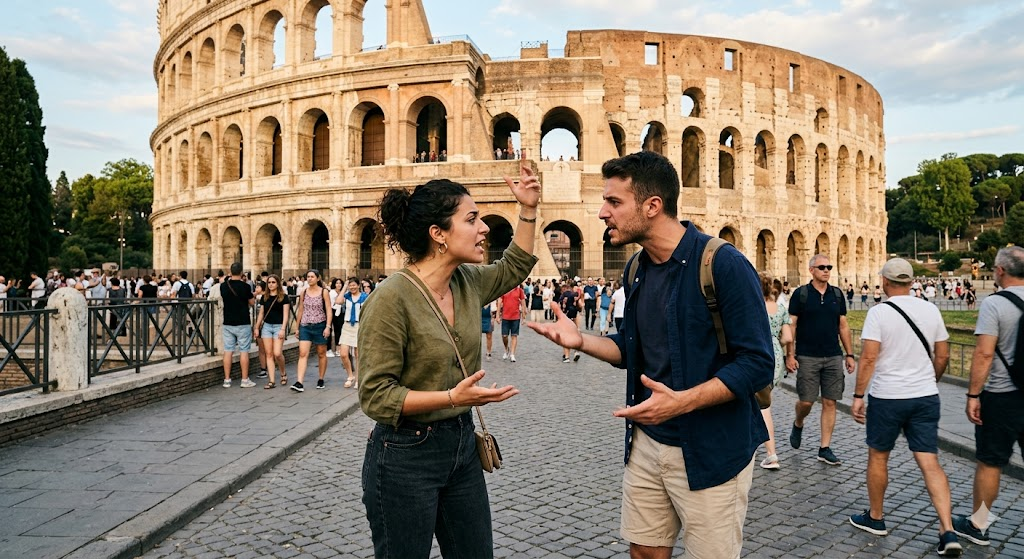
Are you learning Italian? Certainly, learning insults and swear words is part of immersing yourself in the culture. It might be somewhat uncomfortable or unpleasant for some learners. It can also be fun or intriguing for others. The truth is that it is quite difficult to understand this vocabulary if you do not have direct contact with native speakers. While many colorful terms appear in films and on Netflix, employing a swear word requires good comprehension, and sometimes we tend to avoid vulgarities because they are unpleasant.
Native speakers use insults and swear words in everyday conversations, from the bar to the football terrace. These expressions help establish a real connection. When breaking the ice in Italy, it is not uncommon to joke or even use a mild swear for emphasis. So it is better to learn at least some of these terms if you plan to make friends with locals and understand everything during real conversations.
Identifying this language will help you improve your listening and allow you to better comprehend people and their culture. However, using vulgarities can make you seem disrespectful. A careless swear can be offensive; use the wrong one and you will quickly come across as a rude person who never studied local manners.
You must pay attention to context and cultural sensitivity to use expressions and swear language carefully if you ever decide to employ them. Never forget to be responsible and feel the emotion behind each phrase and how it affects others. In Italy, tone, gesture, and regional accent change the impact of a single term dramatically.
On the other hand, it is estimated that between 1% and 3% of daily speech is swear language, and Italy is no exception. Academic research has revealed that saying insults is a way to control anger and can also relieve the effect of physical pain. Comedians and dramatists have long used curse lines and vulgarities on stage for the same reason.

For now, beyond discomfort or modesty, it is good to know some of this vocabulary so you can understand when someone is being offensive and take action accordingly. For this purpose, we have created a list of offensive swears, curse terms, vulgarities and colorful expressions. Get ready, they are spicy!
Before the list begins, remember that every swear travels with a social passport. A swear shouted between teammates after a goal is not the same swear whispered at a funeral. Italians distinguish blasphemy, sexual vulgarities, and simple stupidity insults with precision. When you study how locals swear, you study how they draw boundaries between affection, humor, and genuine hostility. That is why this guide treats each entry as more than a dictionary line: it is a small lesson in when a swear sounds comic, cruel, or completely ordinary.
This Italian resource groups each swear word with plain English so you can compare intensity levels across regions. Not every item in Italian street speech is a swear, but the words that are swears appear often enough that you cannot ignore them. Listen to Italian radio, note each swear you catch, and compare how natives soften or sharpen the same word in different company—that habit trains your ear faster than memorizing lists alone.
Studying Italian abroad, you will notice that markets and stadiums produce a steady stream of swear words. Italian television bleeps the harshest swears, but comedians still push limits. An Italian swear learned from a textbook lacks the music of real speech—pitch, pause, and gesture complete the meaning. Keep a journal: each time you hear a new swear in Italian, write the sentence, the relationship between speakers, and whether anyone laughed or glared. Those notes teach more than any single word list because Italian emotion lives in delivery, not spelling alone.
Below are Italian swear words and phrases in a practical order. Each entry explains the swear in context so you can recognize the word when native speakers use it in real Italian conversation.
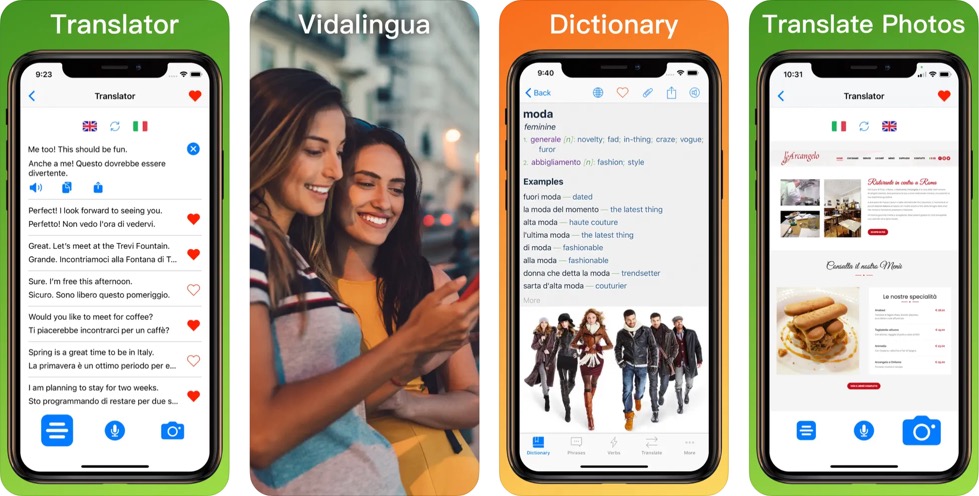
But first, start learning Italian now so you can get the most out of your travels or language classes! Italian Translators and Dictionaries by Vidalingua are some of the best apps for learning Italian, with comprehensive dictionaries, verb conjugations, real-time translator and a lot more. Download them for free on the App Store and Google Play.


/ˈkattso/
This is the most famous swear word in the language. Literally it refers to the male genitals, but in practice it functions like the English "fuck" in many situations. You will hear this swear as an exclamation of anger, surprise, or emphasis. It appears constantly in informal speech, though it is still vulgar. Among common Italian swears, cazzo is the one learners recognize first, and context decides whether it sounds brutal or almost friendly.
/ˈminkja/
A Southern swear, especially common in Sicily, that works like cazzo. It can express amazement, frustration, or admiration depending on tone. In the North you may hear it less, but media has spread it nationwide. Treat this Italian swear as very informal and avoid it in professional settings.
/ˈmerda/
This term means "shit" and ranks among the core curse vocabulary. Use it when something is awful quality, as in che merda!, or to insult a person indirectly. It is blunt but common, and many locals use it without much thought. Like other swears built on bodily functions, it lands harder when shouted at someone directly.
/ˈstrontso/ · /ˈstrontsa/
These forms mean "turd" and serve as strong insults for men and women. This Italian swear targets someone selfish, cruel, or contemptible. In films you will hear stronzo shouted during arguments. It is more offensive than mild terms like scemo, and you should not use it with strangers.
/putˈtana/
Literally "prostitute," this swear insults a woman's morals. It is a harsh curse and can escalate conflict instantly. Some expressions combine it with other terms for extra force. Learners should recognize it to understand anger, not to repeat it.
/ˈtrɔja/
Another swear aimed at women, similar in cruelty to puttana. It implies promiscuity and is deeply offensive. Swears targeting women reflect ugly social attitudes; knowing them helps you spot disrespect in conversation.
/ˈporko/ · /ˈporka/
Italian speakers often pair porco (male pig) or porca (female pig) with sacred or family terms to build blasphemous expressions. These combinations are among the strongest Italian vulgarities in devout regions. The base word alone is mild, but full phrases carry serious social weight in Italian culture.
/ˌporko ˈdio/
A blasphemous Italian curse that offends religious listeners. This expression is far stronger than casual cazzo in many parts of Italy. Italian television often bleeps these words. Foreign learners should understand this swear word but avoid using it, especially in church, with elders, or in conservative towns.

/madˈdɔnna/
Using the Virgin Mary's name as a swear word is a classic Italian curse strategy. Combined with other words, it forms expressions of shock or rage. This type of Italian blasphemy is culturally loaded in ways that secular English swear words are not. Tone can make it sound comic among friends or shocking in formal Italian.
/vaffanˈkulo/
One of the most direct swear phrases, meaning "go fuck yourself" or "fuck off." This expression tells someone to leave or expresses contempt. You will see the word written as vaffanculo or hear the shorter fanculo. It is among the terms you must never say to a police officer, boss, or partner's parents.
/fanˈkulo/
The shortened form of the previous expression, still a forceful swear word. Friends might use it jokingly after a football goal, but directed at a person it is fighting words. This word belongs to the same family of Italian vulgarities as vaffanculo and should be treated with caution.
/fotˈtiti/
From the verb fottere (to screw), this insult tells someone to get lost in vulgar terms. It is a strong swear word used when anger peaks. Italian has many verb-based curse expressions, and this one is among the clearest rejections you can voice.
/koʎˈʎone/ · /koʎˈʎona/
These terms literally refer to testicles but mean "idiot" or "jerk." This swear word is extremely common in Roman and youthful speech. Calling someone a coglione questions their intelligence and backbone. It is less blasphemous than porco dio but still a solid swear in Italian.
/ˈtesta di ˈkattso/
Literally "dickhead," this expression insults someone's judgment. The word cazzo appears again inside a compound insult. These multi-word swear phrases often sound more creative and personal than single terms. Use recognition-only: natives deploy them when truly annoyed.
/ˈfiʎʎo di putˈtana/
"Son of a whore" — a classic Italian curse familiar from cinema. This phrase combines family insult with the swear word puttana. In Italian disputes it escalates fast. Hearing these words means someone has lost patience completely.
/basˈtardo/
Borrowed into English, but still a living insult for a cruel or treacherous person. The word carries moral judgment in Italian, not only literal illegitimacy. It sits mid-level on the scale of swear words: rude, but not always the nuclear option.
/rompiˈballe/
Literally "ball-breaker," this term describes someone unbearably annoying. It is vulgar yet very common in informal Italian. You might hear friends use this swear word affectionately, but strangers will not appreciate it. The word captures a uniquely Italian complaint about pestering behavior.
/rompikoʎˈʎoni/
A variant with the same meaning as rompiballe, using the word coglioni. This insult is vivid and colloquial. Both forms appear in office humor and domestic arguments. Among swear words describing annoyance, these are workhorses.
/ke ˈpalle/
Literally "what balls," this expression means "what a pain" or "how boring." It is not always aimed at a person, but it is still crude. Italians say these words when stuck in traffic or waiting in line. The swear word level is moderate compared with blasphemy.
/manˈnaddʒa/
A mild Italian curse expressing frustration, often translated as "damn." This word is safer than cazzo in mixed company. Southern Italian speech uses it constantly. It shows how Italian layers vulgarities from soft to severe within one conversation.
/attʃiˈdenti/
An old-fashioned Italian exclamation like "good heavens" or "wow." This word is mild and acceptable in more contexts than true swear words. Grandparents and TV hosts still use these words when surprised. It is a good example of how Italian curse vocabulary includes gentle options.
/ˈkavolo/
Literally "cabbage," this Italian euphemism replaces harsher terms like cazzo in polite speech. Saying che cavolo vuoi? softens "what the hell do you want?" Learners love these words because they sound odd in translation but feel natural in Italian.
/ˌporka miˈzɛrja/
"Misery pig" — a colorful expression of dismay. This phrase blends the porca pattern with everyday vocabulary. It is a staple curse among Italians facing bad luck. The word miseria adds drama without always sounding vicious.
/ˌporka putˈtana/
Stacking two strong elements makes this swear phrase especially intense. These words together signal real anger or shock. In Italian comedy the phrase is sometimes exaggerated for effect. Foreigners should treat this expression as high-voltage vulgarity.
/ˈʃɛːmo/
Means "fool" or "dummy." This term is a swear but softer than coglione. Parents might call children scemo playfully. Still, directed at adults these words can sting. It illustrates the gradient of swear words from teasing to hostile.
/ˈfesso/
Similar to scemo, meaning a gullible or silly person. This word is common in Roman Italian. It is less vulgar than genital-based insults but still negative. Among friends the word can be almost affectionate, which is typical of many expressions.
/imbeˈtʃille/
"Imbecile" — recognizable in English. This insult questions intelligence in formal-sounding language. It is not the harshest swear word, yet it is never a compliment. You will read these words in comments sections and heated debates online in Italian.
/iˈdjɔta/
Direct equivalent of "idiot." This word crosses from standard Italian into everyday anger. It is international enough that learners grasp it quickly. As with all swear words, volume and eye contact decide whether it is playful banter or a real attack.
/bufˈfone/
"Buffoon" — insults someone acting ridiculous. This word targets behavior rather than anatomy. Italian political commentary uses these words often. It is milder than sexual vulgarities but can still offend if you mock someone's dignity.
/balˈdrakka/
An old-fashioned, literary insult for a woman of loose morals. You may encounter the word in novels rather than street speech. Knowing archaic swear words helps with classic films and historical dialogue, even if natives rarely say them today.
/fiˈnɔkkjo/
A homophobic Italian slur for a gay man. Like equivalent English words, it is offensive and hurtful. Modern Italian society increasingly rejects these words. Learners should recognize this swear word to understand prejudice, not to use it.
/rikˈkjone/
Another anti-gay insult, common in older speech. These words belong in discussions of vulgarities you must avoid. Understanding Italian includes knowing which expressions cause real harm beyond momentary rudeness.
/ˈpettso di ˈmerda/
"Piece of shit" — describes a person or object as worthless. This Italian phrase combines two crude elements for maximum disdain. It is a strong swear phrase you might hear in traffic disputes. The word merda anchors the insult clearly.
/inkatˈtsato/ · /inkatˈtsarsi/
From cazzo, meaning furious or to get angry. These terms describe emotional state rather than attacking someone directly. Still, they are vulgar and informal. You will hear sono incazzato after bad news; the swear root is unmistakable.
/korˈnuto/
"Cuckold" — an insult implying a man has been cheated on. The word carries cultural baggage tied to honor and jealousy. Making the horn gesture (le corna) amplifies the insult. These expressions show how swear culture mixes words with body language.
/lekkaˈkulo/
Literally "ass-licker," meaning a shameless flatterer. This Italian compound is vivid and common in politics and sports talk. The word belongs to a family of anatomical Italian vulgarities used to question someone's integrity rather than intelligence alone.
/seɡaˈjɔlo/
A crude Italian term for someone obsessed with self-pleasure, used as a swear for a pathetic or obsessive person. This swear word is vulgar and juvenile. Hearing these words in Italian teen humor is common; using them toward adults is asking for trouble.
/bokˈkino/
A vulgar Italian sexual term that can function as a swear in aggressive speech. Like many anatomical swear words, context determines whether speakers mean literal sex or general contempt. Foreign learners should treat this word as explicit and avoid repeating it.

Italian communication is not only about spoken language. Gestures act as parallel expressions that can reinforce or replace a swear. The chin flick, the horn sign, and the classic hand purse can communicate contempt without a single Italian curse. Tourists often copy gestures from movies without knowing how offensive they are. When studying Italian vulgarities, observe native speakers' hands as carefully as their mouths. A gesture misread in Naples might be harmless in Milan, so regional culture matters as much as any list of terms.
Regional Italian multiplies the ways people swear. In Rome, a quick swear at rush hour is almost punctuation; in quieter towns the same swear might shock elders. Students of Italian who only learn textbook dialogue miss half the emotion natives pack into a curse. Italian podcasters and football commentators recycle familiar swears because they release tension in real time. Sicilian Italian often favors minchia where Milanese speech might prefer blasphemous compounds with madonna or dio. When you travel, notice whether locals swear in short bursts or long creative phrases—that rhythm is part of fluent Italian listening. If your goal is confident Italian, track how often a speaker swears versus how sharply; frequency and edge reveal affection, outrage, or pure theater. Italian cinema from classic comedies to modern series remains essential homework for mapping this terrain, and every scene teaches you that a swear without context is only half understood.
These insults in Italian reflect a wide range of emotions and attitudes that vary from frustration and anger to disdain and mockery. Each insult or vulgar expression has its own connotation and specific uses within different regional contexts across Italy. While some Italian terms are mild and can be used in informal situations without causing much offense, others are extremely vulgar and can be deeply offensive. It is important not only to understand the literal meaning of these Italian swears, but also the context in which speakers use them and the intention behind each curse.
Saying insults, just like religion or music, is a phenomenon present in all cultures, and Italian is famously expressive. The sound of language together with semantic content gives Italian swear power, allowing speakers to emphasize emotion, scandalize listeners, or blow off steam. When addressing intercultural communication, it is essential to be aware of how Italian curse vocabulary and vulgarities can affect personal and professional relationships, and to choose expressions with sensitivity and respect toward others.
Recognizing the subtleties and nuances of Italian swear vocabulary, insults and vulgar expressions allows you to navigate conversations better and avoid misunderstandings that may arise due to cultural and linguistic differences. Whether you hear a swear on a Roman bus, in a Neapolitan comedy, or in an Italian classroom abroad, your job as a learner is comprehension first, reproduction only when appropriate. Italian rewards those who listen before they swear, and every thoughtful student of Italian eventually learns that mastery means knowing which words to leave unsaid.
From the mildest accidenti to the harshest blasphemous chains, Italian builds a spectrum of swears that mirrors social class, age, and nerve. Keep a pocket dictionary, study Italian audio, and treat every new swear you hear as a lesson in tone rather than a license to repeat it. That discipline separates tourists who merely recognize cazzo from speakers who truly understand Italian emotion when a friend swears in jest versus when a stranger swears to threaten.
Every Italian swear word in this list is easier to remember when you hear it in real audio. Replay clips, pause after each swear, and say the Italian word quietly until the sound feels familiar. Did you like this article? Share it with a friend...
Good luck!

Ivana Alderete
Linguist
VidaLingua

Learning English swear words and insults helps you understand real conversations and culture. This guide explains meanings and uses of common English curse words, from mild insults to the strongest vulgarities.
You cannot say you really speak French without knowing words like putain and merde. This article lists French swear words, curse expressions and Quebec vulgarities with plain English explanations.

From Scheiße to Arschloch, German has blunt insults for every mood. This guide covers the most common German swear words and when to use them, or avoid them, around native speakers.
Have you written an article that would interest our readers?
Email us at
outreach@vidalingua.com.



© vidalingua