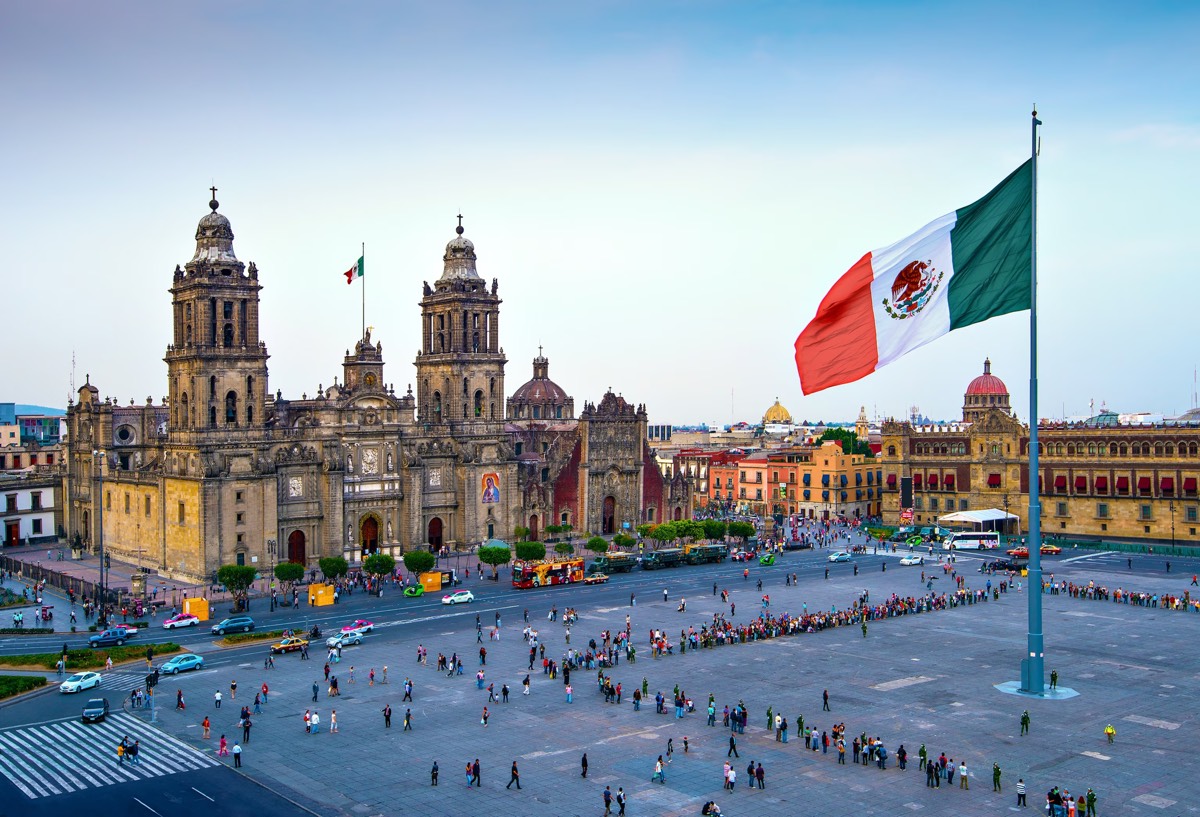
Have you ever watched a Mexican movie, listened to a Mexican podcast, or chatted with friends from Mexico City and realized that half the words were missing from your textbook? You are not alone. Mexican slang is one of the richest, funniest, and most creative varieties of informal Spanish in the world, and it changes faster than any dictionary can keep up with. Learning a handful of Mexican slang words and phrases is the quickest way to sound less like a tourist and more like a friend.
Mexico is home to more than 130 million people, making it the largest Spanish-speaking country on the planet. That means Mexican slang does not stay inside Mexico. It travels through telenovelas, football commentary, Netflix series, memes, and music from mariachi to reggaetón and corridos. Many Spanish learners in the United States hear Mexican Spanish before any other accent, so Mexican slang words often become the first informal words they recognize.
Mexican slang also carries history. Some words come from Nahuatl, the language of the Aztecs, while others were born in the streets of Mexico City, in northern border towns, or in Mexican American communities. A single word like güey can mean dude, idiot, or simply fill a pause, depending on tone. That is why we explain not only what each Mexican slang word means, but also when it is safe to use it.
Why bother with informal words and phrases when textbooks already teach perfectly good Spanish? Because real conversations rarely sound like textbook dialogues. Friends, coworkers, taxi drivers, and street vendors use colloquial words and phrases constantly, and if you only know formal Spanish you will miss jokes, warnings, and invitations. Knowing even twenty common words and phrases helps you follow a conversation, laugh at the right moment, and show respect for local culture. You do not need to use every expression yourself, but recognizing these words makes listening far less stressful.
Below you will find more than seventy words and phrases grouped by theme, each with phonetic pronunciation, Mexican Spanish audio, and a plain English explanation. Tap the speaker icon to hear each word, then practice it inside short phrases rather than on its own.
Learning Mexican slang is a lot easier with a great app. Spanish Translator + by Vidalingua lets you look up Mexican slang words, translate full phrases by voice or text, conjugate verbs, and hear native pronunciation, even offline. Save the Mexican slang words you like as favorites and review them with flashcards and quizzes before your next trip. Download it for free on your iPhone or Android. Give it a try!



Mexican slang greetings set the tone of a conversation in seconds. These words and phrases replace the textbook ¿Cómo estás? among friends.
/ke ˈonda/
The classic Mexican slang greeting, meaning what's up. Friendly and safe with almost anyone your age. Example: ¿Qué onda, güey? (What's up, dude?)
/ke ˈtɾansa/
Mexico City slang for what's up. Playful and very informal; you will hear it among teenagers and in Mexican comedies.
/kiˈuβo/
A contraction of ¿qué hubo?, meaning what's up or what's new. A warm Mexican greeting heard across the country.
/ke ˈroʝo/
Means what's going on or what's the plan. Common in group chats before a night out.
/ke ˈpedo/
Literally "what fart?", this vulgar Mexican slang greeting means what's up among close friends, but with a hard tone it means what's your problem. Use it with care.
/ke ˈtʃow/
Borrowed from English, this Mexican slang greeting means what's happening. Light, fun, and popular with younger Mexicans.
/ke ˈoŋɡo/
A jokey twist on qué onda, literally "what mushroom?" Popular in memes and group chats among friends who enjoy wordplay.
/ˈmande/
A polite way to say pardon? or yes? when someone calls your name. One of those words that instantly marks a speaker from Mexico, and it is perfectly fine with elders.
Mexican slang has dozens of words for friends, strangers, and everyone in between. These words reveal how close you are to someone.
/ɡwej/
The most famous Mexican slang word of all. It means dude or man among friends, but it can also mean fool. Some Mexicans drop it into every sentence as a filler.
/kaɾˈnal/
Mexican slang for brother or a very close friend, someone who is like family. Example: Él es mi carnal. (He is my bro.)
/ˈkwate/
From the Nahuatl word for twin, cuate is everyday Mexican slang for buddy or pal. Friendly and safe in most settings.
/ˈkompa/
Short for compadre, this Mexican slang word means friend or partner. Very common in northern Mexico and in corrido lyrics.
/baleˈðoɾ/
Old-school Mexico City slang for a loyal friend who always has your back. Often shortened to vale.
/ˈtʃaβo/
Everyday words for a young guy or girl. Example: Ese chavo es mi vecino. (That kid is my neighbor.)
/ˈmoro/
Northern Mexican slang for boy or girl. Among friends, mi morra can also mean my girlfriend.
/ˈɡweɾo/
Mexican slang for a blond or light-skinned person. Street vendors often use it as a friendly way to call any customer: ¿Qué le damos, güero?
/ˈfɾesa/
Literally strawberry, fresa is Mexican slang for a preppy, posh, or snobbish person. Think designer clothes and English words mixed into Spanish.
/ˈnako/
Mexican slang for tacky or lacking taste. It can carry classist undertones, so recognize it rather than use it.
/tʃiˈlaŋɡo/
Mexican slang for someone from Mexico City. Locals now wear it with pride, though people from other states may use it to tease.
/ɡaˈβatʃo/
Mexican slang for an American or foreigner, especially a white one. El gabacho can also mean the United States itself.
/tʃaˈmako/
From Nahuatl, a word for kid or youngster. Grandparents use it with affection: Ven acá, chamaco. (Come here, kid.)
/esˈkwiŋkle/
From the Nahuatl word for a hairless dog, escuincle means a bratty kid. Parents use it half jokingly when children misbehave.
/maˈmon/
Describes someone arrogant or showing off, a person who thinks they are better than everyone. Rude, so keep it for people you know well.
/ˈbato/
Street word for guy or dude, especially in northern Mexico and Chicano communities. Example: Ese vato es buena onda. (That guy is cool.)
/ˈxefe/
Literally boss, but young people say mi jefe and mi jefa for dad and mom. Affectionate and very common.
/ˈruko/
An informal word for an old man or old woman. Among young people, mi ruca can also mean my girlfriend.
Short reactions are the heart of Mexican slang. Master these words and phrases and you can follow almost any casual conversation.
/ˈoɾale/
One of the most versatile Mexican slang words. It can mean wow, okay, come on, or hurry up, depending on intonation.
/ˈandale/
Means hurry up or that's right. Example: ¡Ándale, ya vámonos! (Come on, let's go!)
/siˈmon/
A playful Mexican slang word for yes, built on the sound of sí.
/nel/
The opposite of simón. Mexican slang for no or nope. Example: ¿Vas a ir? Nel. (Are you going? Nope.)
/ˈsale/
Mexican slang for okay or deal. Example: Nos vemos a las ocho, ¿sale? (See you at eight, okay?)
/no ˈmantʃes/
Mexican slang for no way or you're kidding. A polite version of the vulgar no mames, which you should avoid with elders.
/ˈtʃale/
Expresses disappointment, like darn or bummer. Example: Chale, se acabaron los tacos. (Bummer, the tacos ran out.)
/ˈaɣwas/
Literally "waters!", this Mexican slang warning means watch out. You will hear it on busy streets and construction sites.
/a ˈweβo/
Vulgar Mexican slang for hell yeah or of course. It can also mean by force. Keep it for close friends.
/ˈixole/
An exclamation of surprise or worry, like wow or oh boy. Example: ¡Híjole, se me olvidó! (Oh no, I forgot!)
/ke ˈoso/
Literally "what a bear!", it means how embarrassing. Example: Me caí en la calle, ¡qué oso! (I fell in the street, how embarrassing!)
/me ˈβale/
Means I don't care. Stronger versions add rude words at the end, so the short form is the safest of these phrases.
Mexican slang has a word for every shade of good and bad. The Diccionario del español de México from El Colegio de México documents many of these words and phrases in their everyday Mexican use.
/ˈtʃido/
The go-to Mexican slang word for cool or awesome. Example: ¡Qué chido tu carro! (Your car is so cool!)
/ˈpaðɾe/
It means father, but in Mexican slang padre means great or cool. Example: ¡Qué padre! (How great!)
/ˈpoka ˈmaðɾe/
Mexican slang for amazing, though ¡Qué poca madre! means how shameless. Vulgar, so choose your audience.
/ˈtʃafa/
A Mexican word for cheap, fake, or poor quality. Example: Este celular está bien chafa. (This phone is really cheap.)
/ˈɡatʃo/
Means ugly, mean, or unfair. Example: Qué gacho lo que te hizo. (What he did to you was mean.)
/esˈta kaˈɲon/
Mexican slang for something tough, intense, or difficult. Example: Está cañón el examen. (The exam is really hard.)
/foˈðoŋɡo/
Mexican slang for lazy or sloppy, usually said with affection by parents and friends.
/tʃiŋˈɡon/
Means awesome or badass, but it comes from a vulgar root. Among friends it is high praise; in an office it is out of place.
/de ˈpelos/
Means great or excellent. Example: La fiesta estuvo de pelos. (The party was great.)
/ˈbwena ˈonda/
Describes a nice, easygoing person or a good vibe. Example: Tu hermana es muy buena onda. (Your sister is really nice.)
Many Mexican slang words describe money, work, and the party that follows payday. According to Wikipedia's article on Mexican Spanish, much of this vocabulary grew out of Mexico City street speech.
/ˈlana/
Literally wool, lana is the most common Mexican slang word for money. Example: No traigo lana. (I don't have any cash.)
/ˈbaɾo/
Mexican slang for a peso or for money in general. Example: Cuesta cien varos. (It costs a hundred pesos.)
/ˈfeɾja/
One of several words for small change or money. Example: ¿Tienes feria? (Do you have change?)
/ˈtʃamba/
One of the Mexican words for work or a job. The verb chambear means to work.
/ˈpeða/
Mexican slang for a party with lots of drinking. Estar pedo means to be drunk.
/ˈtʃela/
One of the most popular words for beer. Example: ¿Vamos por unas chelas? (Shall we grab some beers?)
/ˈkɾuðo/
Mexican slang for hungover. La cruda is the hangover itself, often cured with tacos or menudo.
/ˈweβa/
A Mexican word for laziness. Me da hueva means I can't be bothered.
/paˈtʃotʃa/
An old-fashioned word for money or a wad of cash, often used humorously by older speakers.
/pisˈteaɾ/
To drink alcohol, especially beer with friends. Example: ¿Vamos a pistear? (Shall we go for drinks?)
/ˈantɾo/
A nightclub or bar. Example: Nos vemos en el antro. (See you at the club.)
These Mexican slang phrases pop up in nearly every conversation. The Academia Mexicana de la Lengua tracks how such phrases enter everyday Mexican Spanish.
/la ˈneta/
Mexican slang for the truth or honestly. ¿Neta? means really? and es la neta means it's the best.
/ni ˈmoðo/
A Mexican phrase meaning oh well or nothing can be done. Mexicans use it to accept bad luck with a shrug.
/me ˈlate/
Two short words that mean I like it or I'm in. Example: ¿Tacos? Me late. (Tacos? Sounds good.)
/al ˈtʃile/
Mexican slang for honestly or bluntly. Example: Al chile, no me gustó. (Honestly, I didn't like it.)
/aoˈɾita/
It means right now, but in Mexico ahorita can mean in a minute, later, or never. A perfect example of how Mexican phrases bend time.
/aˈseɾ la ˈβaɾβa/
Literally to do someone's beard, this Mexican phrase means to suck up or flatter someone, often a teacher or boss.
/poˈneɾse las ˈpilas/
To put your batteries in, meaning get your act together. A common Mexican phrase from parents and coaches.
/esˈtaɾ ˈasta la ˈmaðɾe/
Mexican slang for being fed up, or for a place being packed. Informal and slightly rude.
/aɣwanˈtaɾ ˈbaɾa/
Mexican slang for putting up with teasing or hardship without complaining. Example: Aguanta vara, güey. (Toughen up, dude.)
/ʝa meˈɾito/
Almost there or nearly. One of those phrases you hear when a bus is late: Ya merito llega. (It's almost here.)
/ni maˈis/
A playful way to say no way or not at all, built on the sound of a much ruder expression.
/eˈtʃaɾ ˈaɣwas/
To be the lookout, or to warn someone that trouble is coming.
/ˈsepa/
Short for sepa Dios or quién sabe, meaning who knows. A shrug in a single word.
/eˈtʃaɾ la ˈweβa/
To laze around and do nothing at all. Example: El domingo nos echamos la hueva. (On Sunday we lazed around all day.)
/daɾ el aˈβjon/
To humor someone by pretending to listen or agree. Example: Nomás dale el avión. (Just humor him.)
/aˈseɾ ˈpantʃo/
To make a scene or throw a tantrum in public. Example: No hagas pancho. (Don't make a fuss.)
Some of the most common words in this list are also the riskiest. Words built on madre, pedo, or huevo can be playful with friends and deeply offensive with a teacher, a boss, or someone's grandmother. As a rule, avoid phrases with madre in front of older people, and never use them in writing at work. Phrases like no mames, a huevo, and qué pedo appear constantly in series and on social media, so it is worth recognizing them, but nobody will judge you for choosing softer words like no manches, claro, or qué onda instead.
Pay attention to the words people choose about appearance and social class, too. Güero is usually friendly, while naco and gabacho can sting. Nicknames based on looks, such as gordo (chubby) or flaco (skinny), are often affectionate among family members, yet the same words from a stranger can feel personal. Listen to how locals use these words with each other, and match their level of formality.
If you are unsure, ask. Most people are happy to explain which words are friendly, which phrases are rude, and which ones only their grandparents still say.
The best way to learn these words is to listen to people talk. Many everyday words carry Nahuatl roots, as explained in Britannica's entry on the Nahuatl language, which gave Spanish words like cuate, chamaco, escuincle, and tianguis. When you know where words come from, they are much easier to remember.
Start with friendly words like chido, órale, sale, and qué onda. They are safe with almost anyone your age and will make people smile. Add stronger words and phrases only once you understand the tone, because the same expression can be affectionate between friends and offensive with a stranger. When in doubt, listen first and repeat later.
Learn whole phrases, not isolated words. Saying ¡Qué chido! or ¿Vamos por unas chelas? sounds natural, while dropping a single word into a formal sentence sounds odd. Short phrases also help you remember gender, verb forms, and rhythm at the same time.
Remember that vocabulary varies by region. Words from Monterrey or Guadalajara may differ from those of the capital, and Mexican American communities mix English words and phrases into Spanish. Ask your friends which words they actually use, and notice which phrases come up again and again in their messages.
Finally, keep a notebook or a favorites list of new words and phrases. Review them with flashcards, use them in short messages to friends, and listen for them in songs, series, and football commentary. A small set of words that you really use is worth more than a long list you never practice.
The most common Mexican slang words for a white person are güero or güera, which simply mean light-skinned or blond and are usually friendly. Gabacho and gringo are Mexican slang words for white Americans and can sound teasing or rude depending on tone. Bolillo, after the white bread roll, is another playful Mexican slang word.
Popular Mexican slang words for friend include carnal, cuate, compa, valedor, and güey. Carnal is the closest, like a brother, while cuate and compa are everyday words for a buddy.
Güey means dude or man among friends. It comes from buey, the word for ox, then came to mean fool, and the Diccionario de la lengua española now lists it as a colloquial word from Mexico. Today it is the most common Mexican slang word in casual conversation, but with strangers it can still sound insulting.
The most common Mexican slang words for money are lana, varo, and feria. You may also hear billete or pachocha in Mexican slang phrases about cash.
Yes. Mexican slang words like chido, güey, and lana are rarely used in Spain, where people say guay, tío, and pasta. If you want to compare, see our guide to Spanish slang words and phrases from around the world.
If you enjoyed this article, please share it with a friend using the buttons below.
¡Órale, nos vemos! (Alright, see you!)

Marc Bolh
Founder, Vidalingua

Go beyond Mexico with 201 slang terms from Spain, Cuba, Colombia, Peru, Chile, and Argentina, each with pronunciation and audio.

Want to hear Mexican slang every day? Compare the best language schools in Mexico City for Spanish immersion.

Pura vida! Learn the slang words and expressions Costa Ricans use every day, from mae to tuanis.


© vidalingua