British slang changes quickly and often tells you as much about the speaker as about the word itself. "Mate" can sound friendly, "dodgy" can warn you that something feels unsafe, and "cheers" may mean thanks, goodbye, or a toast. If you are learning English for travel, work, or study in the UK, British slang helps you catch what people really mean beyond textbook English. This guide groups British slang words and useful British phrases by letter so you can jump straight to the term you heard.
Below are 201 British slang words and phrases with phonetic pronunciation, British-accent audio, and plain explanations. Each slang word or slang phrase includes a short note on tone and setting. Some terms are friendly British slang; others are rude words best understood before you try using them yourself.
British slang is social signal as much as vocabulary. A friend who says "you muppet" after you spill tea may be laughing with you; a stranger in a queue may not be. Listen for tone, region, and relationship before you repeat a new British slang word or phrase, and choose standard English with teachers, clients, officials, or people you have just met.
Regional and generational differences matter in British slang. "Nowt" feels northern, "tidy" often sounds Welsh, and "innit" carries particular youth-speech associations. Tap the speaker icons for broad pronunciation, then practise slang words inside short British phrases such as "Fancy a cuppa?" or "I'm knackered" rather than saying each word alone.
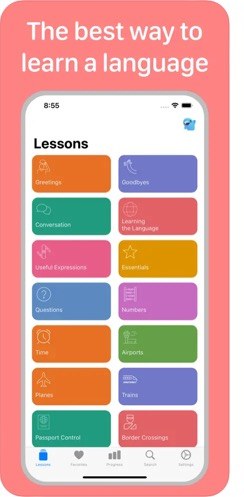
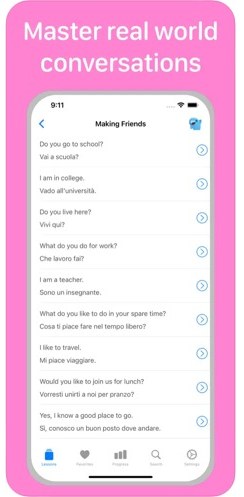
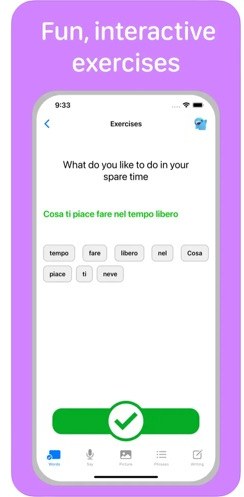
If British slang makes you curious about everyday English, Lingidy by Vidalingua can help you build useful British slang phrases and everyday words for travel, class, or a night out. Download it free from the App Store 📲

Ace
/eɪs/
Excellent or very good. Use it for a person, plan, film, meal, or result that really works. Common British slang in everyday conversation.
All right?
/ɔːl raɪt/
A casual greeting meaning hello or how are you. Often it does not need a detailed answer. British slang phrase: listen for tone before you try it.
Anorak
/ˈænəræk/
A person obsessively interested in a niche subject. Similar to geek, sometimes teasing. Common in everyday British conversation.
Argy-bargy
/ˌɑːdʒi ˈbɑːdʒi/
A noisy argument or disagreement. Example: "There was argy-bargy outside the pub." British slang often heard on TV, radio, and in pubs.
Bagsy
/ˈbæɡzi/
A child's or playful adult's way to claim something first. Example: "Bagsy the front seat." Widely understood British slang across the UK.
Bants
/bænts/
Short for banter: joking conversation, teasing, or playful chat among friends. British slang phrase best kept for relaxed settings.
Bird
/bɜːd/
A woman or girlfriend. It can sound dated or sexist, so use carefully. Best understood before you repeat it in anger.
Bits and bobs
/bɪts ən bɒbz/
Small miscellaneous things. Example: "I packed a few bits and bobs." May sound regional, so listen before copying it.
Blag
/blæɡ/
To get something by charm or deception. Example: "He blagged free tickets." Widely understood across the UK informally.
Blimey
/ˈblaɪmi/
An old-fashioned but still recognisable exclamation of surprise. Example: "Blimey, that was close!" Useful British slang word to recognise even if you avoid saying it.
Blinding
/ˈblaɪndɪŋ/
Excellent or impressive. Example: "That was a blinding goal." Best kept for relaxed social settings.
Bloke
/bləʊk/
A man or guy. Example: "That bloke at the bar was friendly." Slang phrase best kept for relaxed social settings.
Bloody
/ˈblʌdi/
A very common intensifier. It can sound mild or rude depending on tone and company. British slang word best understood before you repeat it in anger.
Bob's your uncle
/bɒbz jɔːr ˈʌŋkəl/
There you have it; it is done. Used after explaining a simple process. Can sound friendly, teasing, or sharply rude.
Bog
/bɒɡ/
A very informal word for toilet. Example: "I'm just going to the bog." This British slang word may sound regional, so listen first.
Bog roll
/ˈbɒɡ rəʊl/
Toilet paper. Casual and slightly crude, but common in relaxed conversation. British slang word best understood before you repeat it in anger.
Bollocks
/ˈbɒləks/
A vulgar word meaning nonsense, testicles, or a mistake. Use carefully. British slang word best understood before you repeat it in anger.
Bonkers
/ˈbɒŋkəz/
Crazy, absurd, or wildly energetic. Example: "That queue is bonkers." British slang often heard on TV, radio, and in pubs.
Boot
/buːt/
The storage space at the back of a car. Americans usually say trunk. Widely understood British slang across the UK.
Brass monkeys
/brɑːs ˈmʌŋkiz/
Very cold weather. Often heard as "It's brass monkeys out there." Common in everyday British conversation.
Brill
/brɪl/
Short for brilliant. Example: "That's brill, thanks." Useful to recognise even if you avoid saying it.
Brilliant
/ˈbrɪljənt/
Excellent, great, or very pleasing. Often shortened in tone to mean simple approval. British slang phrase best kept for relaxed settings.
Brolly
/ˈbrɒli/
An umbrella. Example: "Take a brolly; it looks like rain." Phrase often heard on TV, radio, and in pubs.
Bubble and squeak
/ˌbʌbəl ən ˈskwiːk/
A dish made from leftover potatoes and vegetables, also a very British phrase to recognise. Listen for tone before you try this phrase.
Bugger
/ˈbʌɡə/
A mild-to-rude exclamation or insult. Example: "Oh bugger, I forgot my keys." British slang word best understood before you repeat it in anger.
Builder's tea
/ˈbɪldəz tiː/
Strong tea with milk, usually plain and practical rather than fancy. This British slang word can sound friendly, teasing, or sharply rude.
Butty
/ˈbʌti/
A sandwich, especially in northern England. A bacon butty is a classic breakfast. This British slang word may sound regional, so listen first.
Car park
/ˈkɑː pɑːk/
A parking lot. Standard in Britain but useful for visitors. Widely understood across the UK informally.
Cashpoint
/ˈkæʃpɔɪnt/
An ATM or cash machine. Example: "I need a cashpoint." Slang phrase best kept for relaxed social settings.
Chap
/tʃæp/
A man, often polite or old-fashioned. Example: "He's a decent chap." Useful word to recognise even if you avoid saying it.
Cheeky
/ˈtʃiːki/
Slightly rude, playful, or boldly charming. A cheeky pint is an extra drink you maybe should not have. Best understood before you repeat it in anger.
Cheers
/tʃɪəz/
Thank you, goodbye, or a toast before drinking. Context tells you which meaning is intended. Widely understood British slang across the UK.
Cheers mate
/tʃɪəz meɪt/
A friendly thank you. Example: "Cheers mate, I appreciate it." Can sound friendly, teasing, or sharply rude.
Cheesed off
/tʃiːzd ɒf/
Annoyed or fed up. Example: "I'm cheesed off with the delays." Can sound friendly, teasing, or sharply rude.
Chinwag
/ˈtʃɪnwæɡ/
A friendly chat. Example: "We had a good chinwag over tea." British slang phrase best kept for relaxed settings.
Chippy
/ˈtʃɪpi/
A fish-and-chip shop. Example: "Let's get tea from the chippy." Useful British slang word to recognise even if you avoid saying it.
Chock-a-block
/ˌtʃɒk ə ˈblɒk/
Completely full or crowded. Example: "The train was chock-a-block." British slang phrase: listen for tone before you try it.
Chuffed
/tʃʌft/
Pleased or proud. Example: "I was chuffed with my exam result." Common British slang in everyday conversation.
Chuffed as nuts
/tʃʌft əz nʌts/
Extremely pleased. Informal and playful. May sound regional, so listen before copying it.
Chuffed to bits
/tʃʌft tə bɪts/
Extremely pleased. Example: "She was chuffed to bits with the present." May sound regional, so listen before copying it.
Clobber
/ˈklɒbə/
Clothes or equipment. Example: "Pack your football clobber." Common in everyday British conversation.
Cock-up
/ˈkɒk ʌp/
A mistake or mess. It is informal and mildly rude. Best understood before you repeat it in anger.
Codswallop
/ˈkɒdzwɒləp/
Nonsense or rubbish. It sounds old-fashioned but is still understood. This British slang word can sound friendly, teasing, or sharply rude.
Corker
/ˈkɔːkə/
Something excellent. Example: "That joke was a corker." Listen for tone before you try using it.
Cracking
/ˈkrækɪŋ/
Excellent or very good. Example: "That was a cracking match." Listen for tone before you try this phrase.
Crammed
/kræmd/
Very full or crowded. Example: "The bus was crammed." Phrase often heard on TV, radio, and in pubs.
Cuppa
/ˈkʌpə/
A cup of tea. Example: "Fancy a cuppa?" This British slang word may sound regional, so listen first.
Daft
/dɑːft/
Silly, foolish, or not sensible. Usually milder than calling someone stupid. Common British slang in everyday conversation.
DIY
/ˌdiː aɪ ˈwaɪ/
Do-it-yourself home repairs. Common in British weekend conversation. Often heard on TV, radio, and in pubs.
Doddle
/ˈdɒdəl/
An easy task. Example: "The test was a doddle." Widely understood across the UK informally.
Dodgy
/ˈdɒdʒi/
Suspicious, unreliable, unsafe, or poor quality. Example: "That deal sounds dodgy." British slang phrase: listen for tone before you try it.
Dog's dinner
/dɒɡz ˈdɪnə/
A mess or badly done job. Example: "He made a dog's dinner of it." British slang often heard on TV, radio, and in pubs.
Dosh
/dɒʃ/
Money. Example: "I haven't got enough dosh." Useful word to recognise even if you avoid saying it.
Down the pub
/daʊn ðə pʌb/
At or going to the pub. A common casual phrase. Slang phrase best kept for relaxed social settings.
Drop a clanger
/drɒp ə ˈklæŋə/
To make an embarrassing mistake. Example: "He dropped a clanger in the meeting." Can sound friendly, teasing, or sharply rude.
Duvet day
/ˈduːveɪ deɪ/
A day spent at home resting instead of working, often informally. Widely understood across the UK informally.
Earwig
/ˈɪəwɪɡ/
To secretly listen in. Example: "Stop earwigging on our conversation." May sound regional, so listen before copying it.
Easy peasy
/ˌiːzi ˈpiːzi/
Very easy. Often playful or used with children. Widely understood British slang across the UK.
Faff
/fæf/
Unnecessary fuss or delay. Example: "Stop faffing and get ready." Useful British slang word to recognise even if you avoid saying it.
Fag
/fæɡ/
A cigarette in British English. Avoid in American contexts, where it is offensive. Best understood before you repeat it in anger.
Fancy
/ˈfænsi/
To want or be attracted to something or someone. Example: "Fancy a coffee?" British slang phrase best kept for relaxed settings.

Fit
/fɪt/
Attractive. In standard English it also means healthy, so context matters. Common British slang in everyday conversation.
Fiver
/ˈfaɪvə/
A five-pound note. Example: "Can you lend me a fiver?" This British slang word can sound friendly, teasing, or sharply rude.
Flat
/flæt/
An apartment. Example: "She rents a flat in Manchester." Listen for tone before you try this phrase.
Flogging
/ˈflɒɡɪŋ/
Selling something. Example: "He's flogging his old bike." Best kept for relaxed social settings.
Fluke
/fluːk/
A lucky accident. Example: "That goal was a complete fluke." British slang phrase: listen for tone before you try it.
Footie
/ˈfʊti/
Football, meaning soccer in American English. Example: "Footie is on tonight." Often heard on TV, radio, and in pubs.
Fortnight
/ˈfɔːtnaɪt/
Two weeks. Standard in Britain but useful for learners. Useful to recognise even if you avoid saying it.
Full of beans
/fʊl əv biːnz/
Energetic and lively. Often used for children or enthusiastic adults. British slang often heard on TV, radio, and in pubs.
Gaffer
/ˈɡæfə/
The boss, manager, or person in charge. Common in workplaces and football. Widely understood British slang across the UK.
Gagging
/ˈɡæɡɪŋ/
Desperate for something. Example: "I'm gagging for a cuppa." Widely understood across the UK informally.
Geezer
/ˈɡiːzə/
A man, often with a lively or working-class flavour. Tone matters. Can sound friendly, teasing, or sharply rude.
Git
/ɡɪt/
An unpleasant or foolish person. Rude, but often less harsh than wanker. Best understood before you repeat it in anger.
Give it some welly
/ɡɪv ɪt səm ˈweli/
Use more force or effort. Often said when pushing, kicking, or trying harder. Useful word to recognise even if you avoid saying it.
Give us a bell
/ɡɪv əs ə bel/
Call me. "Us" can mean me in informal British speech. Slang phrase best kept for relaxed social settings.
Gob
/ɡɒb/
Mouth. Example: "Shut your gob" is rude and direct. Best understood before you repeat it in anger.
Gobby
/ˈɡɒbi/
Loud-mouthed or too talkative. Example: "He's a bit gobby." Common in everyday British conversation.
Gobsmacked
/ˈɡɒbsmækt/
Astonished or shocked. Example: "I was gobsmacked by the news." British slang phrase best kept for relaxed settings.
Good shout
/ɡʊd ʃaʊt/
A good idea or suggestion. Example: "Pizza? Good shout." Listen for tone before you try using it.
Gormless
/ˈɡɔːmləs/
Clueless or lacking sense. Example: "He looked completely gormless." May sound regional, so listen before copying it.
Grub
/ɡrʌb/
Food. Example: "Let's get some grub." Common in everyday British conversation.
Gutted
/ˈɡʌtɪd/
Very disappointed or upset. Example: "I'm gutted we lost." Useful British slang word to recognise even if you avoid saying it.
Hard cheese
/hɑːd tʃiːz/
Bad luck. It can sound unsympathetic or old-fashioned. Listen for tone before you try this phrase.
Have a butcher's
/hæv ə ˈbʊtʃəz/
Have a look. From Cockney rhyming slang, butcher's hook. Often heard on TV, radio, and in pubs.
Hen do
/hen duː/
A party for a woman before her wedding. Americans often say bachelorette party. Often heard on TV, radio, and in pubs.
Her indoors
/hɜːr ɪnˈdɔːz/
A joking old phrase for one's wife or female partner. It can sound dated. Widely understood across the UK informally.
Hobnob
/ˈhɒbnɒb/
To socialise, especially with important people. Also a famous biscuit brand. Widely understood across the UK informally.
Innit
/ˈɪnɪt/
A tag question meaning isn't it, used broadly in some accents and youth speech. Slang phrase best kept for relaxed social settings.
Jammy
/ˈdʒæmi/
Lucky in a slightly unfair way. Example: "You jammy thing!" Useful word to recognise even if you avoid saying it.
Jiffy
/ˈdʒɪfi/
A very short time. Example: "I'll be back in a jiffy." Best kept for relaxed social settings.
Jumper
/ˈdʒʌmpə/
A sweater. Example: "Bring a jumper; it gets cold." Can sound friendly, teasing, or sharply rude.
Kerfuffle
/kəˈfʌfəl/
A fuss, commotion, or minor argument. Example: "There was a kerfuffle at reception." May sound regional, so listen before copying it.
Kip
/kɪp/
A sleep or nap. Example: "I need a quick kip." May sound regional, so listen before copying it.
Knackered
/ˈnækəd/
Extremely tired. It is informal and can sound slightly rude in polite company. Best understood before you repeat it in anger.
Knees-up
/niːz ʌp/
A lively party or celebration. Example: "We had a proper knees-up." Common in everyday British conversation.
Lad
/læd/
A boy or young man. It can be neutral, affectionate, or refer to rowdy male behaviour. Common British slang in everyday conversation.
Lass
/læs/
A girl or young woman, especially in northern England and Scotland. Listen for tone before you try this phrase.
Ledge
/ledʒ/
Short for legend, meaning an impressive or helpful person. Useful to recognise even if you avoid saying it.
Leg it
/leɡ ɪt/
Run away quickly. Example: "We legged it for the bus." Listen for tone before you try this phrase.
Loo
/luː/
A polite informal word for toilet. Safer than bog in most situations. British slang often heard on TV, radio, and in pubs.
Lost the plot
/lɒst ðə plɒt/
Become confused, irrational, or out of control. Example: "He's lost the plot." Can sound friendly, teasing, or sharply rude.
Lurgy
/ˈlɜːɡi/
An unspecified illness. Example: "I've got the dreaded lurgy." Often heard on TV, radio, and in pubs.
Manky
/ˈmæŋki/
Dirty, unpleasant, or in bad condition. Example: "Those trainers are manky." Widely understood across the UK informally.
Mardy
/ˈmɑːdi/
Sulky or bad-tempered, especially in Midlands and northern English speech. May sound regional, so listen before copying it.
Mate
/meɪt/
Friend, or a friendly way to address someone. Tone can make it warm or confrontational. Widely understood British slang across the UK.
Mental
/ˈmentəl/
Crazy, extreme, or unbelievable. Use carefully because it can be insensitive in some contexts. Best understood before you repeat it in anger.
Miffed
/mɪft/
Slightly annoyed or offended. Example: "She was miffed about the delay." Useful British slang word to recognise even if you avoid saying it.
Minging
/ˈmɪŋɪŋ/
Disgusting or very unattractive. Strongly informal and rude. Best understood before you repeat it in anger.
Minted
/ˈmɪntɪd/
Very rich. Example: "Her uncle is minted." Best kept for relaxed social settings.
Mug
/mʌɡ/
A fool or someone easily exploited. Example: "Don't treat me like a mug." This British slang word can sound friendly, teasing, or sharply rude.
Muppet
/ˈmʌpɪt/
A fool or silly person. Often milder than harsher insults. Best understood before you repeat it in anger.
Naff
/næf/
Uncool, tacky, or poor quality. Example: "That souvenir is a bit naff." May sound regional, so listen before copying it.
Narky
/ˈnɑːki/
Irritable or bad-tempered. Example: "He's narky before breakfast." Common British slang in everyday conversation.
Natter
/ˈnætə/
A casual chat. Example: "We had a natter after class." Can sound friendly, teasing, or sharply rude.
Nick
/nɪk/
To steal, arrest, or describe condition. Example: "Someone nicked my bike." Listen for tone before you try this phrase.
Nicked
/nɪkt/
Stolen or arrested. Example: "My phone got nicked." Listen for tone before you try using it.
Nipper
/ˈnɪpə/
A young child. Example: "I knew him when he was a nipper." May sound regional, so listen before copying it.
Nosh
/nɒʃ/
Food or a meal. Example: "Let's get some nosh." Phrase often heard on TV, radio, and in pubs.
Nowt
/naʊt/
Nothing, especially in northern English dialect. Example: "It cost me nowt." Widely understood across the UK informally.
Numpty
/ˈnʌmpti/
A foolish person. Common in Scotland and widely understood elsewhere. Common in everyday British conversation.
Offie
/ˈɒfi/
An off-licence, a shop that sells alcohol to take away. Listen for tone before you try this phrase.
On the blink
/ɒn ðə blɪŋk/
Not working properly. Example: "The telly is on the blink." Often heard on TV, radio, and in pubs.
On the pull
/ɒn ðə pʊl/
Looking for someone to flirt with or date, usually on a night out. Often heard on TV, radio, and in pubs.
Owt
/aʊt/
Anything, especially in northern English dialect. Example: "Do you want owt from the shop?" Slang phrase best kept for relaxed social settings.
Pants
/pænts/
Rubbish or disappointing. In Britain it also means underwear, not trousers. Useful word to recognise even if you avoid saying it.
Parky
/ˈpɑːki/
Cold, especially weather. Example: "It's a bit parky today." Widely understood across the UK informally.
Peanuts
/ˈpiːnʌts/
A very small amount of money. Example: "They paid him peanuts." Can sound friendly, teasing, or sharply rude.
Pear-shaped
/ˈpeə ʃeɪpt/
Gone wrong. Example: "The plan went pear-shaped." Best kept for relaxed social settings.
Peckish
/ˈpekɪʃ/
Slightly hungry. Example: "I'm feeling peckish." May sound regional, so listen before copying it.
Pissed
/pɪst/
Drunk in British English. In American English it usually means angry. Useful word to recognise even if you avoid saying it.
Plastered
/ˈplɑːstəd/
Very drunk. Example: "They were plastered by midnight." Common British slang in everyday conversation.
Plonk
/plɒŋk/
Cheap wine. Example: "We brought a bottle of plonk." Can sound friendly, teasing, or sharply rude.
Posh
/pɒʃ/
Upper-class, elegant, or expensive. It can be admiring or teasing. Listen for tone before you try this phrase.
Prat
/præt/
A fool or irritating person. Milder than many insults but still rude. Best understood before you repeat it in anger.
Proper
/ˈprɒpə/
Real, complete, or very. Example: "That was a proper good meal." Phrase often heard on TV, radio, and in pubs.
Pukka
/ˈpʌkə/
Genuine, excellent, or high quality. Popularised widely by British media. Widely understood across the UK informally.
Queue
/kjuː/
A line of people waiting. British culture takes queuing seriously. Common in everyday British conversation.
Quid
/kwɪd/
One pound sterling. The plural is also quid: "twenty quid." Widely understood across the UK informally.
Raring to go
/ˈreərɪŋ tə ɡəʊ/
Eager and ready to start. Example: "The team is raring to go." Listen for tone before you try this phrase.
Reckon
/ˈrekən/
Think or suppose. Example: "I reckon it'll rain." Often heard on TV, radio, and in pubs.
Riff-raff
/ˈrɪf ræf/
Disreputable or undesirable people. It can sound snobbish. Widely understood across the UK informally.
Round
/raʊnd/
A set of drinks bought for a group. Example: "It's your round." Best kept for relaxed social settings.
Rubbish
/ˈrʌbɪʃ/
Trash, nonsense, or something bad. Example: "That film was rubbish." Slang phrase best kept for relaxed social settings.
Rumbled
/ˈrʌmbəld/
Discovered or caught out. Example: "He was rumbled by his mum." Best kept for relaxed social settings.
Sarnie
/ˈsɑːni/
A sandwich. Example: "I made a cheese sarnie." Useful word to recognise even if you avoid saying it.
Scran
/skræn/
Food, especially in northern English and military slang. Useful to recognise even if you avoid saying it.
Scrummy
/ˈskrʌmi/
Delicious. Example: "That cake was scrummy." Can sound friendly, teasing, or sharply rude.
See you in a bit
/siː juː ɪn ə bɪt/
See you soon. Very common casual goodbye. Can sound friendly, teasing, or sharply rude.
Shambles
/ˈʃæmbəlz/
A chaotic mess. Example: "The meeting was a shambles." May sound regional, so listen before copying it.
Shattered
/ˈʃætəd/
Extremely tired. Example: "I'm shattered after that shift." May sound regional, so listen before copying it.
Shirty
/ˈʃɜːti/
Annoyed or bad-tempered. Example: "Don't get shirty with me." Common in everyday British conversation.
Skint
/skɪnt/
Having no money. Example: "I can't go out; I'm skint." Useful word to recognise even if you avoid saying it.
Skive
/skaɪv/
To avoid work or school. Example: "He skived off maths." Listen for tone before you try using it.
Slag off
/slæɡ ɒf/
To criticise someone harshly. It is informal and can sound mean. Often heard on TV, radio, and in pubs.
Sloshed
/slɒʃt/
Drunk. Example: "They were sloshed by closing time." Widely understood across the UK informally.
Smart
/smɑːt/
Well-dressed or neat. In Britain it often refers to appearance rather than intelligence. Best kept for relaxed social settings.
Smashing
/ˈsmæʃɪŋ/
Excellent or delightful. Example: "We had a smashing time." Common in everyday British conversation.
Snog
/snɒɡ/
To kiss passionately. Example: "They were snogging at the bus stop." Useful to recognise even if you avoid saying it.
Sod
/sɒd/
A mildly rude word for a person. Example: "You lucky sod." Best understood before you repeat it in anger.
Sod's law
/sɒdz lɔː/
The idea that if something can go wrong, it will. May sound regional, so listen before copying it.
Sorted
/ˈsɔːtɪd/
Arranged, fixed, or dealt with. Example: "Tickets are sorted." Can sound friendly, teasing, or sharply rude.
Spend a penny
/spend ə ˈpeni/
A polite old phrase meaning to go to the toilet. May sound regional, so listen before copying it.
Squiffy
/ˈskwɪfi/
Slightly drunk or off balance. Example: "I'm feeling a bit squiffy." Common in everyday British conversation.
Starkers
/ˈstɑːkəz/
Completely naked. Example: "He ran into the garden starkers." Listen for tone before you try using it.
Strop
/strɒp/
A sulky mood or tantrum. Example: "She was in a strop." Often heard on TV, radio, and in pubs.
Stroppy
/ˈstrɒpi/
Bad-tempered or argumentative. Example: "The teenager got stroppy." Widely understood across the UK informally.
Ta
/tɑː/
Thank you. Short, friendly, and common in casual speech. Common British slang in everyday conversation.
Ta muchly
/tɑː ˈmʌtʃli/
A playful way to say thank you very much. Listen for tone before you try using it.
Ta-ra
/tɑː ˈrɑː/
Goodbye. Common in parts of northern England and the Midlands. Best kept for relaxed social settings.
Takeaway
/ˈteɪkəweɪ/
Food bought to eat elsewhere. Americans usually say takeout. Useful to recognise even if you avoid saying it.
Taking the mickey
/ˈteɪkɪŋ ðə ˈmɪki/
Teasing someone or making fun of them. Often shortened to "taking the mick." Listen for tone before you try this phrase.
Telly
/ˈteli/
Television. Example: "What's on the telly?" Can sound friendly, teasing, or sharply rude.
Tenner
/ˈtenə/
A ten-pound note. Example: "Lunch was only a tenner." This British slang word may sound regional, so listen first.
Tetchy
/ˈtetʃi/
Irritable or easily annoyed. Example: "Everyone gets tetchy when tired." May sound regional, so listen before copying it.
Throw a wobbly
/θrəʊ ə ˈwɒbli/
To lose your temper or have a tantrum. Example: "Dad threw a wobbly." Common in everyday British conversation.
Tickety-boo
/ˌtɪkəti ˈbuː/
Fine, in good order, or going well. Cheerful and old-fashioned. Often heard on TV, radio, and in pubs.
Tidy
/ˈtaɪdi/
Good or impressive, especially in Welsh English. Example: "That's tidy work." Listen for tone before you try using it.
Titchy
/ˈtɪtʃi/
Very small. Example: "The room was titchy." Often heard on TV, radio, and in pubs.
Toodle-pip
/ˌtuːdəl ˈpɪp/
A humorous old-fashioned goodbye. Widely understood across the UK informally.
Tosh
/tɒʃ/
Nonsense. Example: "That's a load of tosh." Widely understood across the UK informally.
Tosser
/ˈtɒsə/
A rude insult for an annoying or contemptible person. Use with caution. Best understood before you repeat it in anger.
Trainers
/ˈtreɪnəz/
Sports shoes or sneakers. Example: "Wear trainers for the walk." Widely understood across the UK informally.
Trolleyed
/ˈtrɒlid/
Very drunk. Example: "He got trolleyed at the wedding." Slang phrase best kept for relaxed social settings.
Twee
/twiː/
Too cute, quaint, or sentimental. Example: "The cafe was a bit twee." Best kept for relaxed social settings.
Twit
/twɪt/
A silly or foolish person. Mild and sometimes comic. Best kept for relaxed social settings.
Uni
/ˈjuːni/
University. Example: "She went to uni in Leeds." Useful to recognise even if you avoid saying it.
Up for it
/ʌp fər ɪt/
Willing or enthusiastic. Example: "Are you up for it?" Can sound friendly, teasing, or sharply rude.
Waffle
/ˈwɒfəl/
To talk too much without saying anything useful. Example: "Stop waffling." Useful word to recognise even if you avoid saying it.
Wally
/ˈwɒli/
A silly person. Usually mild and sometimes affectionate. May sound regional, so listen before copying it.
Wanker
/ˈwæŋkə/
A strong insult for a stupid or unpleasant person. Vulgar and risky. Best understood before you repeat it in anger.
Wazzock
/ˈwæzək/
A fool or idiot. Informal, northern-flavoured, and usually comic. Useful to recognise even if you avoid saying it.
Wee
/wiː/
Small, or urination. In Scotland, "a wee drink" means a small drink. May sound regional, so listen before copying it.
Whinge
/wɪndʒ/
To complain in an annoying way. Example: "Stop whingeing." Can sound friendly, teasing, or sharply rude.
Wicked
/ˈwɪkɪd/
Excellent or exciting. More common in some regions and generations than others. Common in everyday British conversation.
Wind-up
/ˈwaɪnd ʌp/
A joke, tease, or attempt to annoy someone. Example: "It's only a wind-up." Listen for tone before you try this phrase.
Wonky
/ˈwɒŋki/
Crooked, unstable, or not working properly. Example: "The table is wonky." Common in everyday British conversation.
Yob
/jɒb/
A rude, aggressive young person. Example: "Yobs were shouting outside." Best understood before you repeat it in anger.
Yonks
/jɒŋks/
A very long time. Example: "I haven't seen you in yonks." Phrase often heard on TV, radio, and in pubs.
You lot
/juː lɒt/
You people, usually addressed to a group. Tone decides whether it is friendly or annoyed. Often heard on TV, radio, and in pubs.
Yummy mummy
/ˈjʌmi ˈmʌmi/
A fashionable, attractive mother. It can sound patronising or sexist. Best understood before you repeat it in anger.
Zonked
/zɒŋkt/
Exhausted or asleep from tiredness. Example: "I was zonked after work." Widely understood across the UK informally.

One practical way to study British slang is to sort words into four groups. Everyday safe British slang terms include "cheers", "cuppa", "mate", and "brolly". Informal expressive slang words include "knackered", "gutted", "dodgy", and "sorted". Comic or regional British phrases include "wazzock", "yonks", and "ta-ra". Rude or vulgar slang words such as "bollocks" and "wanker" are useful to recognise in films and arguments, but risky in your own speech.
British humour often runs on understatement and sarcasm, so "not bad" can mean excellent and "bit parky" can mean very cold. Learn British slang phrases, not isolated words: "stop faffing", "what a faff", and "I spent ages faffing about" show how slang behaves in real speech. Mix one or two British slang words into plain English rather than filling every sentence with slang, and build from there.
Many entries in this list are full British slang phrases rather than single words. When you hear a phrase in a pub, on the bus, or in a British series, replay the audio and copy the whole phrase. That habit helps you sound natural faster than memorising words without their usual phrases.
British slang is fun, but it is also social. Listen for age, region, relationship and tone before you repeat a new slang word or British phrase. Start with friendly British slang like cheers, mate, cuppa, and brilliant, then treat stronger insults and vulgar slang words as recognition vocabulary until you are sure the phrase fits the situation.
Useful references include the British Council, the Oxford English Dictionary, the Cambridge Dictionary, BBC Learning English, and the British Library for culture and history.
If you enjoyed this article, share it with a friend.
Cheers!

Marc Bolh
Founder, Vidalingua

Learning English swear words and insults helps you understand real conversations and culture, from mild insults to stronger vulgarities.

If you want to hear British English every day, London is one of the best places to study, practise and meet learners from around the world.

Compare British and American English by studying in another major English-speaking city with excellent language schools.



© vidalingua