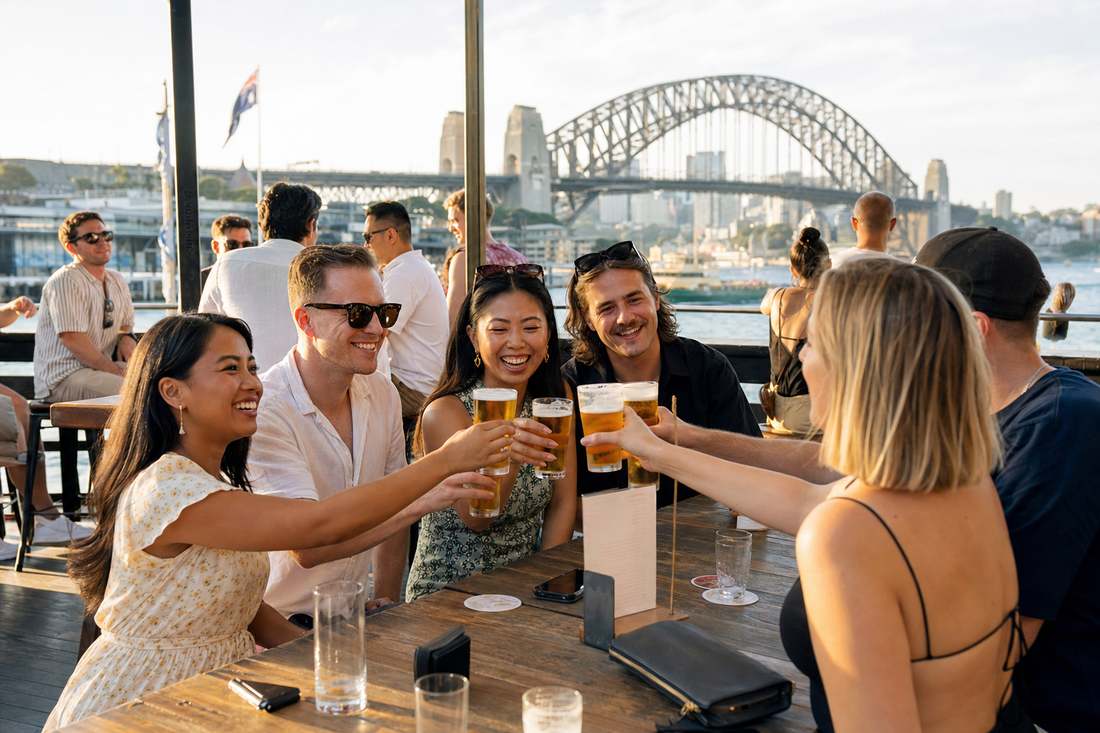
Australian slang is fast, friendly, and full of personality. Locals shorten almost every word, so "afternoon" becomes "arvo" and "breakfast" becomes "brekkie." If you are learning English for travel, work, or study down under, a feel for Australian slang helps you understand what people really mean beyond the textbook. This guide groups the most useful Australian slang words and Aussie phrases by letter so you can jump straight to the term you just heard.
Below are dozens of Australian slang words and phrases with phonetic pronunciation, Aussie-accent audio, and plain explanations. Each slang word or phrase includes a short note on meaning, tone, and setting, plus an example where it helps. Some are gentle and safe to use almost anywhere; others are cruder and best understood before you try them yourself.
The lingo works as a social signal as much as a vocabulary list. A mate who calls you a "galah" is usually laughing with you, while the same jab from a stranger might sting. Listen for tone, region, and relationship before you repeat something new, and stick to standard English with teachers, employers, officials, or people you have only just met.
Regional differences run deep across Australia. Tap the speaker icons for a broad Aussie pronunciation, then practise slang inside short phrases such as "No worries, mate" or "Fair dinkum" rather than reciting single words on their own.
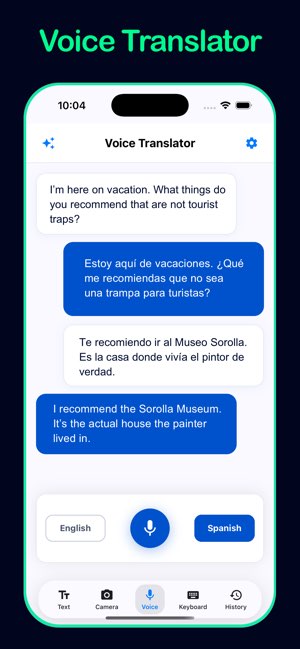
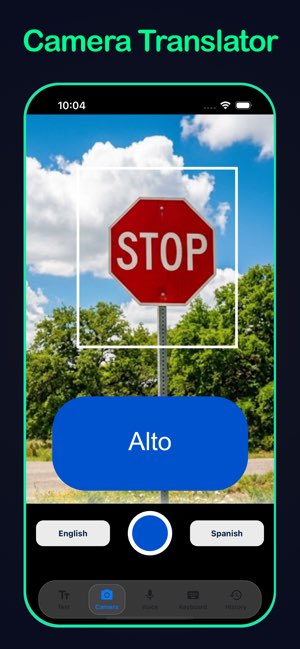
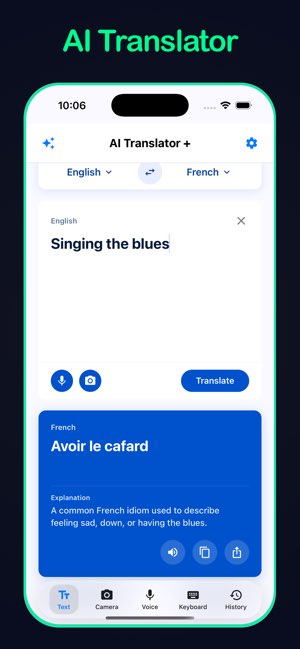
If Australian slang leaves you guessing what a mate just said, AI Translator by Vidalingua can translate voice, photos, and text on the go and its Explain mode can clarify some slang words and phrases so you catch the meaning behind the lingo. Download it free from the App Store or Google Play 📲


Arvo
/ˈɑːvəʊ/
Afternoon. "Catch you this arvo" means later today. A perfect example of the Australian habit of trimming words down to size.
Ankle biter
/ˈæŋkəl ˌbaɪtə/
A small child or toddler, usually said fondly when the little ones are running underfoot at a family get-together.
Aussie
/ˈɒzi/
An Australian, or anything from Australia. Worn as a badge of pride and roared at the cricket, from meat pies to footy teams.
Avo
/ˈævəʊ/
Avocado, especially the smashed avo on toast that cafes turned into an Australian breakfast staple. Also plain avocado in a salad.
Barbie
/ˈbɑːbi/
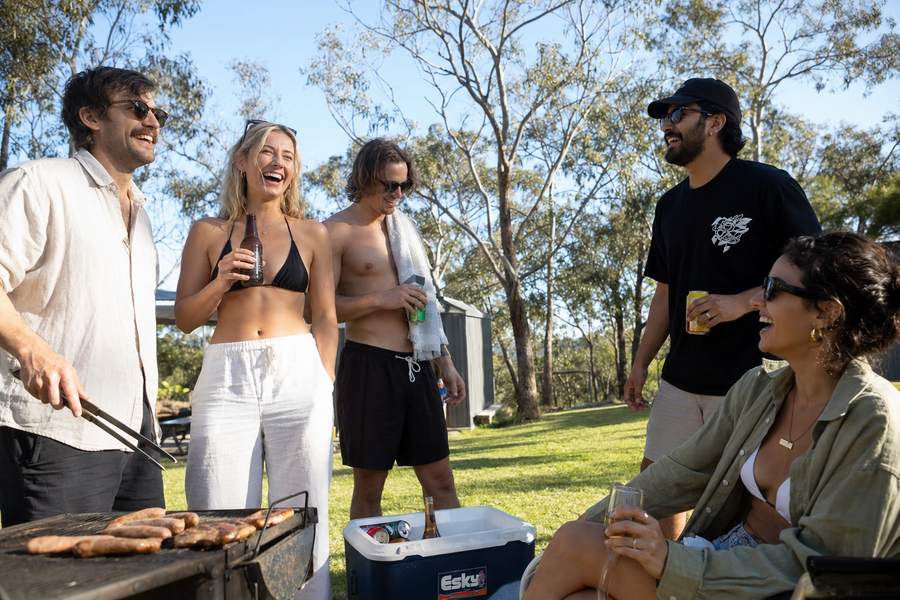
A barbecue. "Throw another snag on the barbie" sums up a lazy weekend of grilled sausages, cold drinks, and friends. Cornerstone Aussie slang.
Bathers
/ˈbeɪðəz/
Swimwear, heard mostly in the southern states. Elsewhere you will meet togs or cossie, a regional quirk that trips up visitors.
Bludger
/ˈblʌdʒə/
A lazy person who dodges their share of work. Mildly rude Australian slang, so save it for mates who take a joke.
Bogan
/ˈbəʊɡən/
An unrefined, rough-around-the-edges type, roughly like the American "redneck." It can insult or be a cheeky self-description, and it is blunt Australian slang either way.
Bottle-o
/ˈbɒtl̩ əʊ/
A bottle shop or liquor store. Someone always offers to "swing by the bottle-o" for a slab of beer before a barbie.
Brekkie
/ˈbreki/
Breakfast. A "big brekkie" means the works: eggs, bacon, toast, and strong coffee. Another shortened everyday word.
Bush
/bʊʃ/
The countryside or wilderness beyond the Australian towns. "Going bush" means escaping the city; "back of bush" is somewhere very remote.
Chockers
/ˈtʃɒkəz/
Completely full, whether a car park, a train, or your stomach after lunch. Short for "chock-a-block" and heard everywhere in Australia.
Chuck a sickie
/tʃʌk ə ˈsɪki/
To take a day off by faking illness. A cheeky Australian phrase you would never actually admit to your boss.
Cobber
/ˈkɒbə/
A mate or close friend. Older, gently old-fashioned slang now, but it still lands warmly, especially out in the country.
Crikey
/ˈkraɪki/
A wholesome exclamation of surprise, made famous worldwide by wildlife presenter Steve Irwin. Handy Australian slang for reacting without swearing.
Cuppa
/ˈkʌpə/
A cup of tea or coffee, and an invitation to sit and chat. "Come in for a cuppa" is warmly Australian.
Dag
/dæɡ/
An uncool but thoroughly likeable person. Calling a friend a dag is affectionate, a nod to a very Australian sort of goofy, unbothered-by-fashion charm.
Deadset
/ˈdedset/
Genuine, true, or certain. "Deadset legend" is high praise, and "deadset?" is the word you use to ask whether someone is serious.
Devo
/ˈdevəʊ/
Devastated, though usually over something small like missing the last meat pie. A shortened word popular with younger Aussies.
Dunny
/ˈdʌni/
The toilet, originally the outdoor one on old properties. Blunt but common Australian slang, and famous for spiders under the seat.
Esky
/ˈeski/
An insulated cooler that keeps drinks cold. Originally a brand name, now the everyday word, and essential kit at any barbie.
Exy
/ˈeksi/
Expensive. "That place was a bit exy" softens the blow of an eye-watering bill in typically understated Aussie fashion.
Fair dinkum
/feə ˈdɪŋkəm/
Genuine, honest, and true, one of the most iconic Australian phrases going. "Fair dinkum?" simply asks "really?"
Footy
/ˈfʊti/
Football, meaning Australian Rules in the south and rugby league up north. Weekends and workplaces revolve around the footy.
Furphy
/ˈfɜːfi/
A false rumour or tall tale. The word traces to water carts made by the Furphy family, where WWI soldiers swapped gossip.
G'day
/ɡəˈdeɪ/
The classic greeting, a squashed "good day" that works morning, noon, and night. "G'day mate" is the first phrase most visitors learn.
Galah
/ɡəˈlɑː/
A silly or foolish person, borrowed from the loud pink cockatoo. Comic rather than cruel Australian slang, aimed at a mate who has done something daft.
Give it a burl
/ɡɪv ɪt ə ˈbɜːl/
To give something a go. An encouraging Aussie phrase before trying anything new, from surfing to a tricky recipe.
Grog
/ɡrɒɡ/
Alcohol of any kind. "On the grog" means a big session, and a "grog run" is a trip to restock the esky. Well-worn Aussie slang.
Grouse
/ɡraʊs/
Great or excellent, heard mostly around Victoria. "That was grouse" is warm praise, if a touch dated to younger ears.
Hard yakka
/hɑːd ˈjækə/
Genuinely hard physical work. "Yakka" comes from the Yagara Aboriginal language and is now a well-known workwear brand too.
Heaps
/hiːps/
A lot, or very. It works two ways: "heaps of people" and "heaps good" are both normal Australian slang.
Hoon
/huːn/
A reckless driver, or the act of driving dangerously. "Anti-hoon" laws exist to stamp out the loud late-night version, a rare case of Australian slang written into law.
Journo
/ˈdʒɜːnəʊ/
A journalist. It sits beside "tradie," "firie," and "ambo" in the great Australian tradition of shortening job titles.
Kip
/kɪp/
A short sleep or nap. "I might have a quick kip" signals a well-earned afternoon doze, a bit of relaxed Aussie downtime after a big lunch.
Knackered
/ˈnækəd/
Worn out and exhausted. "I'm knackered" after a long shift is understated Aussie slang for completely done in.
Larrikin
/ˈlærɪkɪn/
A mischievous, fun-loving rule-bender with a good heart. Almost a compliment, describing a cheeky, much-loved Australian character who will not take life seriously.
Legend
/ˈledʒənd/
A top person, especially one who has just done you a favour. "You legend!" is a warm everyday word of praise, no heroics required.
Lollies
/ˈlɒliz/
Sweets or candy of every kind. A "lolly shop" delights children, and few things settle a cranky kid faster.
Maccas
/ˈmækəz/
McDonald's. The nickname is so entrenched the chain rebranded some Australian restaurants with "Maccas" signs as a stunt.
Mate
/meɪt/
A friend, or a way to address anyone. Tone is everything: "thanks, mate" is warm, a slow flat "mate" is a warning. Perhaps the most Aussie slang of all.
Mozzie
/ˈmɒzi/
A mosquito. Summer means reaching for the "mozzie spray" and lighting a coil so the little pests leave the barbie in peace.
No worries
/nəʊ ˈwʌriz/
It's fine, no problem, or you're welcome, and arguably the national motto. It captures a relaxed attitude in two words.
No dramas
/nəʊ ˈdrɑːməz/
A close cousin of "no worries," meaning it is all sorted. You will hear this Aussie phrase constantly in shops and cafes.
Ocker
/ˈɒkə/
A loud, unpolished, stereotypically blokey Australian. It can insult or wink knowingly at a broad accent and no-frills manners.
Op shop
/ˈɒp ʃɒp/
A charity or thrift shop, short for "opportunity shop." Hunting bargains at the local op shop is a favourite Australian weekend pastime.
Outback
/ˈaʊtbæk/
The vast, dry, remote interior. "Heading to the outback" means red dirt, huge distances, and very small towns far from the coast. Essential Australian slang for the interior.
Pash
/pæʃ/
A long, passionate kiss. Teenagers "have a pash" at a party, and a "pashing session" is exactly what it sounds like.
Pav
/pæv/
Pavlova, the meringue dessert topped with cream and fruit. Australia and New Zealand still cheerfully argue over who invented it.
Pokies
/ˈpəʊkiz/
Poker machines, the slots found in pubs and clubs. "A night on the pokies" is common Australian slang, and a real social debate.
Prezzie
/ˈprezi/
A present or gift. "Chrissie prezzies" are Christmas gifts, another example of the affectionate "-ie" ending on everyday words.
Rapt
/ræpt/
Delighted and thrilled. "I'm absolutely rapt" means you could not be happier, a warmer, cheerier Aussie choice than simply saying pleased.
Reckon
/ˈrekən/
To think or suppose. "I reckon" is a workhorse word that opens countless opinions, and "reckon?" invites a mate to agree with you.
Rellies
/ˈreliz/
Relatives, the extended family who descend at Christmas. "The rellies are coming over" can be said with joy or mild dread.
Ripper
/ˈrɪpə/
Excellent, a cracker, a beauty. "You little ripper!" is joyful Australian slang, cheered when something goes brilliantly your way.
Rort
/rɔːt/
A scam, fraud, or rip-off, often about dodgy expenses or rigged deals. A favourite word of headline writers covering scandals.
Sanger
/ˈsæŋə/
A sandwich. A "ham and cheese sanger" fills the lunchbox, and a "sausage sanger" from a fundraiser barbecue is a ritual. Common Aussie slang at lunch.
Servo
/ˈsɜːvəʊ/
A petrol or service station, and a late-night source of fuel, pies, and milk. "Grab it from the servo" covers most emergencies.
Sheila
/ˈʃiːlə/
A woman. Dated now and a bit sexist, so most people avoid it, but you will still meet it in older films and songs.
Snag
/snæɡ/
A sausage. The "sausage sizzle" snag on white bread with onions and sauce is a beloved Australian institution.
Spit the dummy
/spɪt ðə ˈdʌmi/
To throw an adult tantrum, like a baby spitting out its pacifier. A vivid phrase for losing your temper over something minor.
Stubby
/ˈstʌbi/
A short, squat bottle of beer. A "stubby holder" is the foam sleeve that keeps it cold, essential at any Aussie barbie.
Sunnies
/ˈsʌniz/
Sunglasses, non-negotiable under the fierce sun. "Where are my sunnies?" is peak Aussie summer talk, asked daily through the long, bright season.
Sook
/sʊk/
A whinger, sulker, or crybaby. "Don't be a sook" gently tells someone to stop feeling sorry for themselves; everyday Australian slang.
Thongs
/θɒŋz/
Flip-flops for your feet, not underwear, a difference that stuns first-time visitors. Australians practically live in thongs all summer.
Tinnie
/ˈtɪni/
A can of beer, or a small aluminium fishing boat, depending on context. "Cracking a tinnie" by the water covers both.
Togs
/tɒɡz/
Swimwear in Queensland and New South Wales, where southerners say bathers. These regional splits are classic Australian slang puzzles.
True blue
/truː ˈbluː/
Genuinely and loyally Australian, honest and dependable. A "true blue Aussie" is the real deal, a phrase loaded with sentiment.
Tucker
/ˈtʌkə/
Food. "Bush tucker" means native ingredients gathered from the land, while "good tucker" is simply a satisfying feed.
Uni
/ˈjuːni/
University. "She's at uni" or "after uni" is standard, since almost nobody says the full word in casual conversation.
Ute
/juːt/
A utility vehicle, the pickup at the heart of country and tradie life. Australia even claims to have invented the ute in the 1930s.
Veggo
/ˈvedʒəʊ/
Vegetarian. "I'm veggo" is a quick way to order, and a "veggo option" now appears on nearly every cafe menu.
Whinge
/wɪndʒ/
To complain in a drawn-out, irritating way. "Stop whingeing" is a common comeback, blunt Aussie slang sharper than a plain "stop complaining."
Woop woop
/ˌwʊp ˈwʊp/
An imaginary far-flung town standing in for anywhere remote. "Out in woop woop" means a long, dusty drive from the city.
Wag
/wæɡ/
To skip school or work without permission. "Wagging school" is the classic teenage version, usually ending in getting caught.
Yobbo
/ˈjɒbəʊ/
A loud, loutish, badly behaved person, often after too many drinks. Rarely a compliment, and a cousin of the Australian ocker and bogan.
Zonked
/zɒŋkt/
Completely wiped out and ready to sleep. "I was zonked after the flight" is casual Australian slang for utterly drained.

Arvo — afternoon; "catch you this arvo" means see you later today
Sheila — a woman; dated now and a bit sexist, so most people avoid using it, though you will still hear it in older films and songs
Mate — a friend, or a friendly way to address almost anyone; "thanks, mate" is warm, while a flat "mate" can be a warning
Cobber — a mate or close friend; older, gently old-fashioned slang that still lands warmly, especially out in the country
Galah — a silly or foolish person, from the loud pink cockatoo; comic rather than cruel, usually aimed at a mate who has done something daft
Dag — an uncool but likeable goof; affectionate among friends rather than a harsh insult
Yobbo — a loud, loutish, badly behaved person; rarely a compliment
One practical way to study Australian slang is to sort the words into groups. Everyday safe terms include "g'day", "cuppa", "mate", and "no worries". Informal, expressive slang words include "knackered", "rapt", "chockers", and "deadset". Comic or regional Australian phrases include "woop woop", "fair dinkum", and "you little ripper". Cruder options such as "bludger" and "yobbo" are worth recognising in films and arguments, but risky in your own speech.
Australian humour runs on understatement, irony, and affectionate teasing, so "not bad" can mean excellent. Learn whole phrases rather than isolated words: "give it a burl", "chuck a sickie", and "spit the dummy" show how these Aussie expressions behave in real speech. Fold one or two into otherwise plain English and build from there.
Many entries above are complete phrases rather than single words. When you catch one at a barbie, on the train, or in a home-grown TV series, replay the audio and copy the whole phrase. That habit helps you sound natural faster than memorising vocabulary stripped of the phrases and context it usually lives in.
Australian slang is fun, but it is deeply social. Weigh up age, region, relationship, and tone before you try a new word or Aussie phrase. Start with friendly staples like g'day, mate, cuppa, and no worries, then treat stronger insults and vulgar slang as recognition vocabulary until you are sure they fit the moment.
Useful references include the Macquarie Dictionary, the Australian National Dictionary Centre at the Australian National University, the ABC, Tourism Australia, and the Cambridge Dictionary for meanings, culture, and history.
If you enjoyed this article, share it with a friend.
Hooroo!

Marc Bolh
Founder, Vidalingua
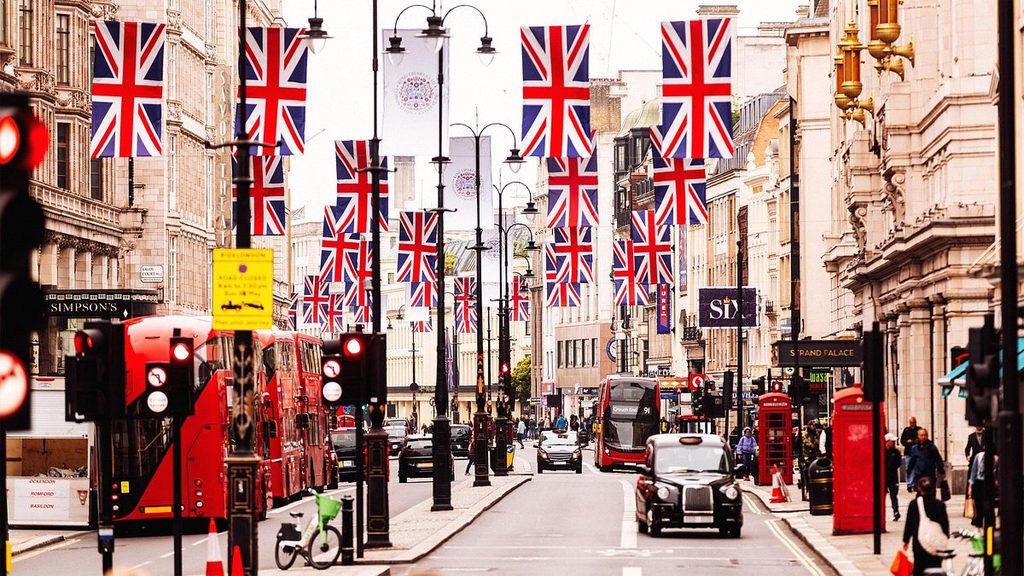
Compare Aussie slang with British slang and see how English shifts across the UK, from friendly banter to cheeky insults.

Learning English swear words and insults helps you understand real conversations and culture, from mild jabs to stronger vulgarities.
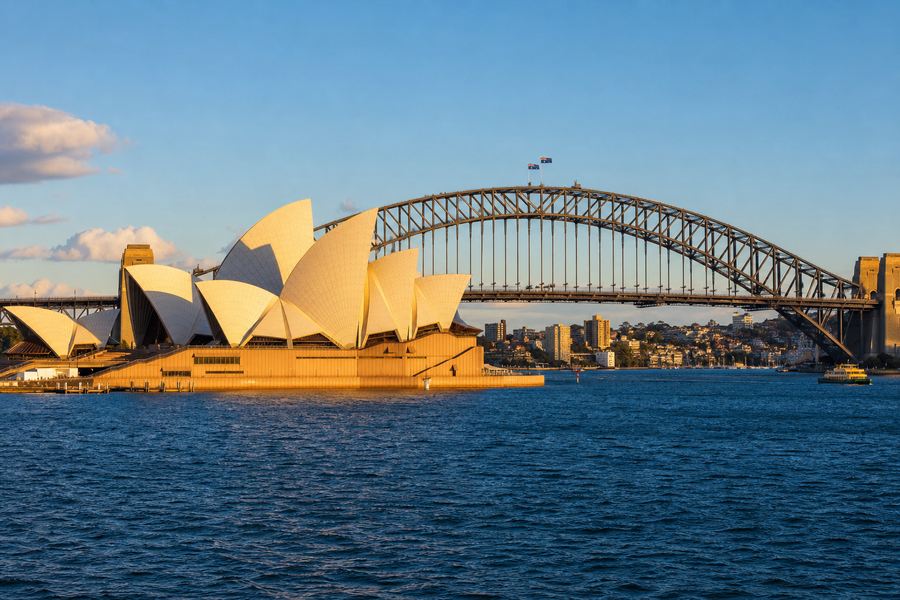
Want to hear Australian English every day? Sydney is a brilliant place to study, practise, and meet learners from around the world.



© vidalingua